
That strange humming noise coming from under your hood? The vibration you feel through the steering wheel every time you hit 45 mph? These aren’t just minor annoyances, they’re your vehicle trying to tell you something. And ignoring them rarely ends well.
At Independent Auto Care in Parker, Colorado, we’ve been diagnosing and repairing noise and vibration issues in Honda and Acura vehicles since 2006. Our ASE-certified technicians have over 65 years of combined experience tracking down the source of those unsettling sounds and shakes. We know how frustrating it can be when your car doesn’t feel right, which is why we take a thorough, systematic approach to noise and vibration diagnosis.
In this guide, we’ll walk you through the common causes of vehicle noise and vibration, what happens during our diagnostic process, and exactly what services are included when you bring your car to our Parker shop for this type of repair.
Common Causes of Vehicle Noise and Vibration
Before we can fix a problem, we need to understand where it’s coming from. Noise and vibration issues can originate from dozens of different components in your vehicle, but most fall into a few key categories. Here’s what we typically look for when a customer brings their Honda or Acura to our shop with these concerns.
Engine and Drivetrain Issues
The engine and drivetrain are often the first suspects when unusual noises or vibrations appear. A misfiring engine can cause noticeable shaking, especially at idle or under acceleration. Worn motor mounts, those rubber cushions that hold your engine in place, lose their ability to absorb vibration over time, letting you feel every rumble that should be dampened.
Transmission problems can also create distinct symptoms. Grinding noises during shifting, whining sounds that change with speed, or vibrations that only occur in certain gears all point to drivetrain issues. We’ve seen everything from worn CV joints causing clicking sounds during turns to failing universal joints creating a clunking sensation when shifting between drive and reverse.
Exhaust system problems are another common culprit. A loose heat shield can rattle against the exhaust pipe, creating an annoying buzz that’s often mistaken for something more serious. Meanwhile, actual exhaust leaks produce a distinct rumbling or hissing that typically gets louder under acceleration.
Suspension and Steering Problems
Your suspension system takes a beating from Colorado’s roads, and trust us, we know Parker’s streets can be tough on vehicles. Worn shocks and struts don’t just affect ride quality: they can cause your car to bounce excessively, creating vibrations you feel throughout the cabin.
Ball joints, tie rod ends, and control arm bushings all wear over time. When they do, you might notice clunking sounds when going over bumps, wandering steering, or vibrations that seem to originate from the front end. These components are critical for safe handling, so we always take steering and suspension noises seriously.
Power steering issues have their own signature sounds. A whining noise that changes with steering input often indicates low power steering fluid or a failing pump. In vehicles with electric power steering, you might hear groaning or humming from the motor instead.
Brake and Wheel-Related Sources
Brakes are one of the most common sources of noise complaints we see at our Parker shop. Squealing, grinding, or scraping sounds when stopping usually mean your brake pads need attention, or have already worn past the point of safe operation. Warped rotors cause a pulsating vibration through the brake pedal and sometimes the steering wheel during braking.
Wheel-related issues can be tricky to diagnose because they often mimic other problems. Out-of-balance tires create vibrations that typically appear at specific speeds, usually between 55-65 mph. Worn wheel bearings produce a humming or growling noise that changes with vehicle speed and may shift when turning. And damaged tires, whether from impact, improper inflation, or simply age, can cause rhythmic thumping or vibration.
We also check for bent wheels, which are more common than you’d think after hitting a pothole or curb. Even a small bend can throw off the balance and create noticeable vibration at highway speeds.
What to Expect During a Diagnostic Inspection
When you bring your vehicle to Independent Auto Care for noise or vibration diagnosis, we don’t just guess at the problem. Our technicians follow a comprehensive inspection process designed to pinpoint the exact source of your concern. Here’s what that looks like.
Visual and Physical Examination
We start with a thorough visual inspection of the systems most likely to cause your symptoms. This includes checking under the hood for loose components, damaged belts, or worn engine mounts. We’ll physically check hoses, primarily the radiator hose, for bulging, swelling, cracking, and collapsed areas, as well as a glassy and hardened surface which could indicate heat damage.
Underneath the vehicle, we inspect the exhaust system for loose hangers, damaged pipes, or failing catalytic converters. We examine the suspension components for wear, looking at bushings, ball joints, and tie rod ends. The brake system gets a close look too, including pad thickness, rotor condition, and caliper operation.
We also inspect all seals and connections for signs of leaking coolant, oil, or other vital engine fluids. Leaks can sometimes cause components to run dry, leading to noise and premature wear.
For wheel and tire issues, we check tire condition and wear patterns, measure tread depth, and look for damage that might not be immediately obvious. We’ll also spin each wheel by hand, feeling and listening for bearing roughness or brake drag.
Road Testing and Electronic Diagnostics
Sometimes the only way to truly understand a noise or vibration is to experience it firsthand. Our technicians will road test your vehicle, attempting to replicate the conditions you’ve described. We pay attention to when the noise occurs, at certain speeds, during braking, while turning, or under acceleration. This information is crucial for narrowing down the source.
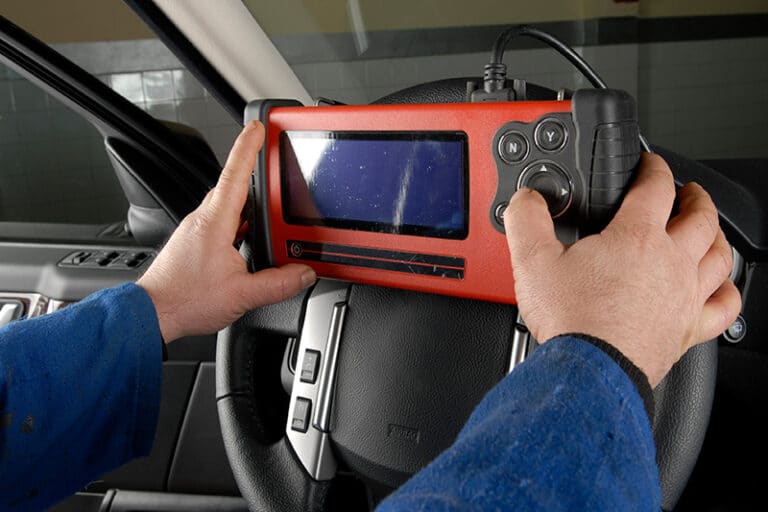
We also connect your vehicle to our diagnostic equipment to check for any trouble codes that might be stored in the computer. While not every noise or vibration triggers a code, issues like engine misfires, transmission problems, or ABS malfunctions often do. On Honda and Acura vehicles, we have the specialized knowledge to interpret manufacturer-specific codes and data that general shops might miss.
If your check engine light is illuminated along with the noise or vibration, that’s actually helpful, it gives us additional data points to work with. Our check engine light diagnosis service works hand-in-hand with noise and vibration troubleshooting.
Services Included in Noise and Vibration Repair
Once we’ve identified the source of your vehicle’s noise or vibration, the repair process depends entirely on what we find. At Independent Auto Care, our noise and vibration repair services cover a wide range of work:
Engine and Drivetrain Repairs:
- Motor mount replacement
- CV joint and axle repair
- Exhaust system repairs, including heat shield tightening and leak repair
- Transmission and clutch service
- Timing belt replacement (a worn timing belt can create noise before it fails completely)
Suspension and Steering Work:
- Shock and strut replacement
- Ball joint and tie rod end replacement
- Control arm bushing service
- Power steering system repairs
- Alignments to ensure proper suspension geometry after repairs
Brake System Services:
- Brake pad and rotor replacement
- Caliper service and repair
- ABS system diagnosis and repair
- Drum, disc, and ABS brake repair for all Honda and Acura models
Wheel and Tire Services:
- Tire balancing
- Wheel bearing replacement
- Tire inspection and replacement recommendations
- Wheel straightening or replacement for bent rims
Before we move forward with any repair work, we’ll discuss our findings with you. You’ll understand exactly what’s causing the problem, what it takes to fix it, and how much it will cost. We never proceed without your approval, that’s our promise to every customer who walks through our door.
Because we specialize in Honda and Acura vehicles, we know the common failure points for these makes. We use the recommended parts and have the expertise to get your vehicle back on the road quickly and properly, often at a more reasonable cost than the dealership.
When to Schedule a Noise or Vibration Diagnosis
Knowing when to bring your vehicle in for diagnosis can save you money and prevent a minor issue from becoming a major repair. Here are the situations where we recommend scheduling an appointment:
New or sudden noises: If your car suddenly starts making a sound it didn’t make before, don’t wait to see if it goes away. New noises almost always indicate something has changed, and usually not for the better.
Vibrations at specific speeds: A vibration that appears at highway speeds and disappears when you slow down often points to tire or wheel balance issues. While not immediately dangerous, driving on unbalanced tires causes uneven wear and can affect other suspension components over time.
Noises during braking: Squealing, grinding, or scraping when you apply the brakes should never be ignored. Your brakes are your most important safety system, and noise usually means they need attention now.
Sounds that change with steering: Clicking during turns, groaning when you turn the wheel at low speeds, or vibration through the steering wheel all warrant investigation. These often indicate steering or suspension issues that can affect handling and safety.
Vibration accompanied by a check engine light: When noise or vibration comes with a dashboard warning, your vehicle is giving you extra information about what’s wrong. Let us read those codes and connect the dots.
Any noise or vibration that concerns you: Honestly, if something doesn’t feel or sound right, trust your instincts. You know your car better than anyone, and catching problems early is always easier than dealing with them after they’ve gotten worse.
We encourage Parker residents to address these concerns promptly. Colorado’s temperature fluctuations, from summer heat to winter cold, can accelerate wear on rubber components like bushings, mounts, and belts. A small issue in spring can become a significant problem by winter.
Benefits of Early Diagnosis and Repair
We understand that scheduling a diagnostic appointment feels like one more thing on your to-do list. But there are real advantages to addressing noise and vibration issues sooner rather than later.
Prevent secondary damage: A worn wheel bearing that’s ignored doesn’t just get louder, it can eventually fail completely, potentially damaging the hub, spindle, or even causing you to lose a wheel. A squealing brake pad worn down to the backing plate will score your rotors, turning a simple pad replacement into a much more expensive repair.
Maintain safety: Many noise and vibration sources directly affect your vehicle’s safety systems. Worn suspension components compromise handling. Brake issues reduce stopping power. Steering problems affect control. Getting these diagnosed and repaired keeps you and your family safe on Parker’s roads.
Save money long-term: Early repairs are almost always less expensive than waiting. We’ve seen customers put off a $200 motor mount replacement until engine movement damaged other components, turning it into a $1,000+ repair. Catching problems early keeps more money in your pocket.
Preserve vehicle value: Whether you plan to keep your Honda or Acura for years or eventually sell it, maintaining the vehicle properly protects its value. Strange noises and vibrations make a poor impression on potential buyers and often show up on pre-purchase inspections.
Enjoy your drive: Let’s not forget the simple pleasure of driving a car that runs smoothly and quietly. You shouldn’t have to turn up the radio to drown out mysterious sounds or grip the steering wheel through annoying vibrations. Fixing these issues makes every drive more enjoyable.
Conclusion
Noise and vibration issues are your vehicle’s way of communicating that something needs attention. Whether it’s a simple fix like rebalancing your tires or a more involved repair like replacing worn suspension components, identifying and addressing the problem early makes all the difference.
At Independent Auto Care in Parker, we take a methodical approach to noise and vibration diagnosis. Our ASE-certified technicians have the experience and equipment to track down even the most elusive sounds and shakes, especially in the Honda and Acura vehicles we specialize in. We’ll explain what we find in plain language, give you a fair estimate, and only proceed with repairs you’ve approved.
If your car is making noises it shouldn’t or vibrating in ways that concern you, don’t wait for the problem to get worse. Give us a call or stop by our shop at 10314 South Dransfeldt Road in Parker, Colorado. We’re your hometown auto mechanics, and we’re here to help you get back to driving with confidence.