
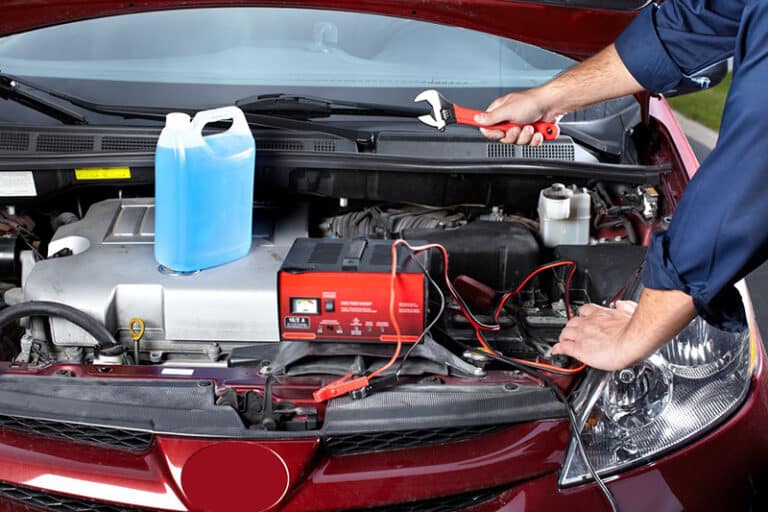
That mysterious puddle under your car isn’t something to ignore. Whether it’s a small drip or a growing stain on your garage floor, fluid leaks are your vehicle’s way of telling you something’s wrong, and in Parker’s climate, where temperature swings can stress hoses and seals, these issues tend to pop up more often than you’d expect.
At Independent Auto Care, we’ve been diagnosing and repairing fluid leaks on Honda and Acura vehicles since 2006. Our ASE-certified technicians have seen it all, from minor gasket seepage to major coolant system failures. In this guide, we’ll walk you through the common types of vehicle fluid leaks, how to spot them early, and exactly what our leak and fluid repair services include. Understanding these repairs can save you from costly damage down the road, and keep your Honda or Acura running smoothly for years to come.
Common Types of Vehicle Fluid Leaks
Your vehicle relies on several different fluids to operate safely and efficiently. When any of these systems spring a leak, you’ll notice different colors, consistencies, and locations under your car. Let’s break down the most common culprits we see at our Parker shop.
Engine Oil Leaks
Engine oil is probably the most common fluid leak we encounter. It’s typically dark brown or black (though fresh oil appears more amber), and it leaves oily, slick spots usually toward the front or center of your vehicle.
Oil leaks often originate from worn valve cover gaskets, oil pan gaskets, or front and rear main seals. Over time, these rubber and cork components dry out and crack, especially here in Colorado, where extreme temperature fluctuations accelerate wear. A small oil leak might seem harmless at first, but running low on oil can cause serious engine damage. We’ve seen engines seize up completely because owners ignored what started as a few drops on the driveway.
Transmission Fluid Leaks
Transmission fluid is usually reddish or pinkish (though it turns brown as it ages) and has a slightly sweet smell. You’ll typically find these leaks toward the middle or rear of your vehicle, depending on whether you have a front-wheel or rear-wheel drive Honda or Acura.
Common sources include the transmission pan gasket, input and output shaft seals, and cooler line connections. Transmission repairs can get expensive fast, so catching a leak early, before fluid levels drop enough to cause shifting problems, is crucial. If your transmission starts slipping or hesitating, low fluid from a leak could be the cause.
Coolant and Brake Fluid Leaks
Coolant leaks are easy to identify because the fluid is usually bright green, orange, or pink with a sweet smell. These leaks can occur at radiator hoses, the water pump, thermostat housing, or the radiator itself. Given how much stress Colorado’s freeze-thaw cycles put on rubber hoses, we see plenty of coolant leaks at Independent Auto Care. A failing water pump, for instance, might produce coolant puddles or spots under your Honda before it completely gives out.
Brake fluid is a bit trickier to spot. It’s clear to light yellow and has an oily feel. Brake fluid leaks are serious, they can compromise your stopping power. These leaks typically occur at brake lines, wheel cylinders, or the master cylinder. If you notice brake fluid under your car or your brake pedal feels spongy, get it checked immediately. This isn’t one you want to put off.
Signs Your Vehicle Has a Fluid Leak
Not every leak leaves an obvious puddle. Sometimes the signs are more subtle, and knowing what to look for can help you catch problems before they escalate.
The most obvious sign is spots or puddles under your parked vehicle. Check your garage floor or driveway regularly, morning is a good time since your car has been sitting overnight. Pay attention to the color and location of any fluid you find.
But puddles aren’t the only indicator. Watch for these warning signs:
- Dashboard warning lights – Your check engine light, temperature gauge, or low oil pressure light may illuminate when fluid levels drop
- Overheating – If your temperature gauge creeps into the red, a coolant leak could be the culprit
- Burning smell – Oil dripping onto hot engine components creates a distinct burning odor
- Sweet smell – That sugary scent often indicates coolant is leaking and evaporating on warm surfaces
- Visible residue – Look for oily buildup, crusty deposits, or wet spots around hoses, gaskets, and connections under the hood
- Low fluid levels – If you’re constantly topping off oil, coolant, or transmission fluid, you’ve got a leak somewhere
- Performance changes – Rough shifting, sluggish acceleration, or engine misfires can all point to fluid-related issues
Our technicians at Independent Auto Care will also inspect hoses for bulging, swelling, cracking, and collapsed areas. A glassy, hardened surface on a hose usually means heat damage, and that hose is living on borrowed time.
The Leak Diagnosis Process
Finding a leak isn’t always straightforward. Fluid can travel along surfaces, drip far from its source, and evaporate before it hits the ground. That’s why proper diagnosis matters, and why guessing often leads to wasted money on unnecessary repairs.
When you bring your Honda or Acura to our Parker shop, here’s how we approach leak diagnosis:
Visual Inspection – We start by examining the engine bay, undercarriage, and all fluid systems for obvious signs of leakage. We physically check hoses, primarily the radiator hose, for bulging, cracking, and wear. We also inspect all seals and connections for signs of leaking coolant, oil, and other vital engine fluids.
Fluid Identification – We determine exactly which fluid is leaking based on color, consistency, smell, and location. This narrows down the possible sources significantly.
Pressure Testing – For cooling system leaks, we use a pressure test to identify weak points. This forces coolant through the system under controlled pressure, revealing leaks that might not be visible otherwise.
Dye Testing – When leaks are hard to pinpoint, we may add UV dye to the suspect fluid system. After running the engine, we use a special light to trace the fluorescent dye back to its source.
Component Testing – Sometimes we need to test individual components like the water pump, thermostat, or specific gaskets to confirm the leak source.
Once we’ve identified the problem, one of our experts will discuss the repairs needed with you. We’ll make sure you understand the scope of the issue, along with the cost and time required to repair your vehicle properly. And we’ll never move forward with any work until you give us permission. That’s our promise.
What Leak and Fluid Repair Services Include
Once we’ve diagnosed your leak, the repair approach depends on what’s causing it. Here’s what our leak and fluid repair services typically include.
Gasket and Seal Replacement
Gaskets and seals are the most common leak sources we repair. These components create fluid-tight barriers between metal surfaces, but they wear out over time. Heat cycles, pressure, and age all take their toll.
Common gasket and seal replacements include:
- Valve cover gaskets
- Oil pan gaskets
- Timing cover seals
- Front and rear main seals
- Transmission pan gaskets
- Thermostat housing gaskets
- Water pump seals
We use quality replacement parts that meet or exceed OEM specifications. For Honda and Acura vehicles specifically, we know which gaskets tend to fail and can often catch related issues before they become separate problems.
Hose and Line Repairs
Hoses are the source of numerous problems. Because they’re made of flexible rubber, freeze and thaw cycles, plus general exposure to pressurized fluids, can cause hoses to crack or spring a leak at their seals. Colorado’s temperature swings make this especially common.
Our hose and line repairs cover:
- Radiator hoses (upper and lower)
- Heater hoses
- Transmission cooler lines
- Brake lines
- Power steering hoses
- Fuel lines
We don’t just replace the obviously failed hose. We inspect connected hoses that may be showing early wear signs, cracking, bulging, or that hardened glassy appearance from heat damage. Replacing related components while we’re already in there often saves you time and money down the road.
Fluid Flushes and Refills
After any leak repair, we need to restore proper fluid levels. But simply topping off isn’t always enough. If fluid has been contaminated or has deteriorated, a complete flush and refill is the better approach.
Our fluid services include:
- Engine oil changes with proper fill levels
- Transmission fluid flushes
- Coolant system flushes, flushing out old fluid and replacing it with clean coolant helps reduce internal damage to system components
- Brake fluid flushes
- Power steering fluid service
We use the manufacturer-recommended fluids for your specific Honda or Acura model. Using the wrong fluid type can cause seal damage and actually create new leaks, so this isn’t an area to cut corners.
Why Timely Leak Repairs Matter
It’s tempting to ignore a small leak, especially if your vehicle seems to run fine. But here’s the reality: small leaks become big problems.
Engine damage – Running low on oil causes metal-on-metal contact, accelerating wear and potentially seizing your engine entirely. We’ve seen repair bills jump from a few hundred dollars for a gasket to several thousand for engine work, all because someone put off addressing a leak.
Transmission failure – Low transmission fluid causes overheating and premature wear on internal components. Transmission rebuilds or replacements are among the most expensive repairs you can face.
Overheating – Coolant leaks lead to overheating, which can warp cylinder heads and damage head gaskets. What started as a $50 hose replacement can turn into a $2,000+ head gasket job.
Brake failure – This one’s non-negotiable. Brake fluid leaks compromise your ability to stop safely. No repair bill is worth risking your safety or your family’s.
Environmental concerns – Leaking fluids contaminate soil and water. Most automotive fluids are toxic to animals and harmful to the environment.
Higher repair costs – Leaking fluid often damages surrounding components. Oil dripping on belts causes them to slip and wear. Coolant leaking onto electrical connections causes corrosion. The longer you wait, the more collateral damage accumulates.
Timely leak repairs protect your investment and keep repair costs manageable. A little preventive action now saves significant headaches later.
Choosing a Trusted Repair Shop in Parker
When it comes to leak repairs, you want technicians who know your vehicle and won’t recommend unnecessary work. Here’s what to look for in a Parker repair shop.
Specialization matters. At Independent Auto Care, we’ve focused on Honda and Acura vehicles since 2006. Our ASE-certified technicians have over 65 years of combined experience and know these vehicles inside and out. We understand which components commonly fail, what to check proactively, and how to repair things correctly the first time.
Clear communication. A good shop explains what they found, what needs repair, and why, before doing any work. We’ll discuss any issues you might be experiencing, such as overheating or having to replace coolant more frequently, and help you understand your options.
Fair pricing. Gone are the days when you have to go back to the dealership for work on your car. We provide our customers with the highest quality auto repairs without the hassles or inflated pricing. We use all the same equipment, supply recommended parts, and typically get your vehicle back on the road at a more reasonable cost.
Comprehensive service. Beyond leak repairs, you want a shop that can handle everything from oil changes to major repairs. We offer full bumper-to-bumper maintenance including brake repair, air conditioning service, engine repairs, timing belt replacement, and more. Having one trusted shop that knows your vehicle’s history makes future maintenance easier.
Locally owned and operated here in Parker, Colorado, we’re dedicated to serving our neighbors. We want you to feel comfortable coming in for everything from routine maintenance to complex diagnostics, and recommending our services to friends and family.
Conclusion
Fluid leaks might seem minor, but they’re your vehicle’s early warning system. Catching and repairing leaks promptly protects your engine, transmission, and braking system from serious damage, and keeps repair costs from spiraling out of control.
Whether you’ve spotted a puddle under your Honda, noticed your coolant disappearing faster than it should, or your check engine light has you concerned, don’t wait to have it checked. Our team at Independent Auto Care has the experience and equipment to diagnose leaks accurately and repair them properly.
For leak diagnosis and fluid repair on your Honda or Acura vehicle, contact Independent Auto Care at our Parker location on South Dransfeldt Road to schedule an appointment today. We’ll get you back on the road with confidence, and without the dealership price tag.