
If you drive a Honda or Acura in the Parker or Castle Rock area, you’ve probably wondered at some point: what actually happens during an oil change? It’s one of those services that seems simple on the surface, but there’s more going on under the hood than most people realize. At Independent Auto Care in Parker, we handle oil changes and factory scheduled maintenance for Honda and Acura owners every single day. And we’ve noticed that a lot of folks appreciate knowing exactly what they’re paying for and why it matters.
So let’s break it down. Whether you’re driving a Honda Civic, an Acura SUV, or anything in between, understanding what goes into a proper oil change and maintenance service can help you make better decisions about your vehicle’s care. Plus, it never hurts to know what questions to ask when you bring your car in.
Key Takeaways
- Regular oil changes prevent engine damage by removing contaminated oil that accumulates dirt, dust, and metal particles over time.
- A quality oil change in Parker includes draining old oil, replacing the filter, inspecting for leaks, and resetting your oil life monitor.
- Most Honda and Acura vehicles can go 5,000 to 7,500 miles between oil changes with synthetic oil, though driving habits and conditions affect this interval.
- Full synthetic oil is recommended for Colorado’s extreme temperature swings and provides superior engine protection compared to conventional oil.
- Maintenance services often include fluid top-offs, tire pressure checks, battery testing, and inspections of belts, hoses, and filters.
- Warning signs like dashboard lights, dark oil, unusual engine noise, or oil smell in the cabin mean your vehicle needs immediate attention.
Why Regular Oil Changes Matter for Your Vehicle
Here’s the thing about engine oil: it’s doing a lot more work than you might think. Your engine has dozens of metal parts moving at high speeds, and oil is what keeps them from grinding against each other. Without proper lubrication, you’d have metal-on-metal contact, and that’s a recipe for expensive damage.
But oil doesn’t stay clean forever. As you drive around Parker, Castle Rock, and everywhere in between, your engine oil picks up dirt, dust, and tiny metal particles. Over time, that contaminated oil becomes less effective at protecting your engine. The oil filter catches a lot of this debris, but it has limits too.
For Honda and Acura vehicles specifically, keeping up with oil changes is especially important if you want to hit those high mileage numbers these cars are known for. We’ve seen plenty of Hondas roll into our shop with 200,000+ miles on them, and the common thread is always consistent maintenance. Skip too many oil changes, and you’re looking at sludge buildup, increased wear on engine components, and eventually some pretty serious repair bills.
The Colorado climate adds another layer to consider. Our temperature swings from cold winters to hot summers put extra stress on engine oil. That’s why staying on top of your oil change schedule matters here more than it might in milder climates.
What Happens During a Standard Oil Change
A standard oil change is pretty straightforward, but there are a few steps involved that make a difference between a quality service and a rushed one. Here’s what our ASE-certified technicians at Independent Auto Care do when you bring your Honda or Acura in for an oil change in Parker.
Draining Old Oil and Replacing the Filter
First, we safely lift your vehicle and locate the oil drain plug. Once that’s removed, the old oil drains into a collection pan. This takes a few minutes since you want all that dirty oil out of there.
While the oil drains, we remove and replace the oil filter. This is a step some quick-lube places rush through, but it matters. A clogged or old filter can’t do its job properly, which means contaminants end up circulating through your engine even with fresh oil. We always use quality filters that meet or exceed OEM specifications for Honda and Acura vehicles.
We also take this opportunity to inspect for oil leaks. A small leak caught early is usually a cheap fix. Left alone, it can lead to low oil levels and potential engine damage. Most leaks we catch during routine oil changes can be repaired without very costly.
Adding Fresh Oil and Checking Levels
Once everything is drained and the new filter is in place, we install a new drain plug gasket (yes, this matters for preventing leaks) and reinstall the plug. Then we add the correct amount of fresh oil for your specific vehicle. Most Honda and Acura engines take between 4 and 5 quarts, but we always verify the right amount for your particular model.
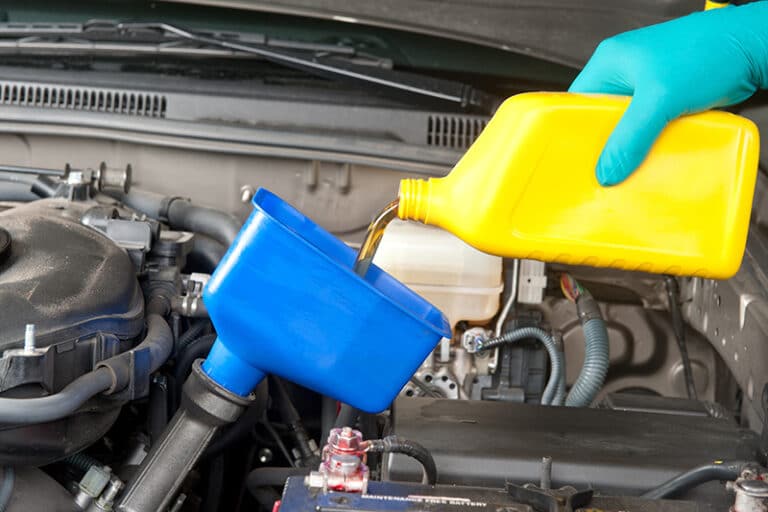
After adding the oil, we start the engine and let it run briefly, then recheck the oil level. This ensures everything is where it should be before you drive off. We also reset your oil life monitor so you’ll get an accurate reminder when your next service is due.
Conventional vs. Synthetic Oil Options
One question we get asked a lot: should I use conventional or synthetic oil? The answer depends on your vehicle, your driving habits, and your owner’s manual.
Conventional oil is the traditional option. It works fine for many vehicles, especially older ones with higher mileage that have always run on conventional. It’s also the more budget-friendly choice.
Synthetic blend mixes conventional and synthetic oils. It offers some of the benefits of full synthetic at a lower price point. Many Honda and Acura owners find this is a good middle ground.
Full synthetic oil is engineered to perform better under extreme temperatures and provides superior protection against engine wear. Most newer Honda and Acura vehicles actually specify synthetic or synthetic blend in their owner’s manuals. If you’re doing a lot of stop-and-go driving, towing, or dealing with Colorado’s temperature extremes, synthetic is usually the better choice.
High mileage oil is formulated for vehicles with over 75,000 miles. It contains additives that help condition older seals and can reduce oil consumption in aging engines.
Here’s our honest advice: check your owner’s manual first. Honda and Acura are pretty specific about what they recommend, and following those guidelines helps maintain your warranty coverage and keeps your engine happy. When you bring your vehicle to our shop, we’ll recommend the right oil type based on manufacturer specs and your driving conditions.
Additional Maintenance Services Often Included
A good oil change and maintenance service goes beyond just swapping fluids. When you bring your Honda or Acura to Independent Auto Care, we use that time to give your vehicle a thorough once-over. Think of it as a wellness check for your car.
Fluid Top-Offs and Inspections
While your vehicle is up on the lift, we check and top off other fluids as needed. This includes:
- Windshield washer fluid
- Coolant/antifreeze levels
- Brake fluid
- Power steering fluid (on applicable models)
We also inspect your air filter and cabin air filter. A clogged air filter hurts fuel economy and performance. A dirty cabin filter means you’re breathing in whatever gunk has accumulated in there. Neither replacement is expensive, but both make a noticeable difference.
Our technicians also take a look at your belts and hoses. Colorado’s dry climate and temperature swings are hard on rubber components. Catching a cracked serpentine belt before it snaps saves you from being stranded on the side of E-470.
Tire Pressure and Battery Checks
Proper tire pressure affects your fuel economy, handling, and tire life. We check all four tires plus the spare and adjust as needed. This is especially important heading into winter when temperature drops cause tire pressure to decrease.
Battery testing is another standard part of our inspection. Cold weather is brutal on car batteries, and Parker winters don’t mess around. If your battery is more than 5 years old or showing signs of weakness, we’ll let you know before it leaves you stranded in a parking lot on a 10-degree morning.
We’ll also do a visual brake inspection while we’re under there. We can’t do a full brake evaluation during every oil change, but we can spot obvious wear issues and let you know if it’s time for a closer look.
How Often You Should Schedule Oil Changes
The old “every 3,000 miles” rule has largely gone out the window for modern vehicles. Most Honda and Acura models made in the past decade can go 5,000 to 7,500 miles between oil changes when using synthetic or synthetic blend oil. Some newer models with oil life monitoring systems can stretch even further under ideal conditions.
That said, your driving habits matter. If you do a lot of short trips (under 10 miles), lots of stop-and-go traffic, or drive in dusty conditions, your oil works harder and may need changing more frequently. Towing or carrying heavy loads also shortens the interval.
Here’s our recommendation for Parker and Castle Rock drivers:
- Synthetic oil: Every 5,000 to 7,500 miles, or when your oil life monitor indicates
- Conventional oil: Every 3,000 to 5,000 miles
- High mileage vehicles: Every 3,000 to 5,000 miles, regardless of oil type
And don’t just go by mileage. If you don’t drive much, you should still change your oil at least once a year. Oil breaks down over time even when the car is sitting, and moisture can accumulate in the crankcase.
Your Honda or Acura’s oil life monitoring system is actually pretty smart. It factors in your driving conditions, engine temperature, and other variables to give you a personalized recommendation. Pay attention to that light when it comes on.
Signs Your Vehicle Needs Immediate Attention
Sometimes your vehicle tells you it needs an oil change before the scheduled interval. Here are some warning signs you shouldn’t ignore:
Dashboard warning lights: If your oil pressure light or oil change reminder comes on, don’t wait. The oil pressure light in particular is urgent and means you should stop driving as soon as it’s safe to do so.
Dark, dirty oil: Fresh oil is amber colored and translucent. If you check your dipstick and the oil looks black and gritty, it’s past due for a change.
Engine noise: Oil lubricates engine components. If you’re hearing more engine noise than usual, especially ticking or knocking sounds, low or degraded oil could be the culprit.
Oil smell inside the cabin: If you smell oil while driving, you likely have a leak. This needs attention right away, not just for your engine’s sake but because oil dripping onto hot exhaust components is a fire hazard.
Exhaust smoke: Blue or gray smoke from your tailpipe can indicate oil is burning inside the engine. This could be due to worn seals or other issues that need professional diagnosis.
Low oil level: If you’re adding oil between changes, something’s wrong. Either you have a leak or your engine is burning oil. Either way, get it checked out.
The bottom line: if something seems off, trust your instincts and bring it in. Catching problems early almost always costs less than waiting until something breaks.
Conclusion
Regular oil changes might seem like a small thing, but they’re one of the most important investments you can make in your vehicle’s longevity. For Honda and Acura owners in Parker and Castle Rock, staying on top of this basic maintenance means getting the most out of vehicles that are built to last.
At Independent Auto Care, we’ve been taking care of Honda and Acura vehicles at our Parker location for years. Our ASE-certified technicians know these vehicles inside and out, and we provide the same quality service you’d get at a dealership without the dealership prices. We’re located at 10314 South Dransfeldt Road in Parker, and we make it easy to schedule your next oil change and maintenance service.
Whether you’re due for a routine oil change or you’ve noticed something that doesn’t seem right, give us a call or stop by. We’ll give your vehicle the attention it deserves and make sure you understand exactly what’s going on under the hood. That’s just how we do things around here.
Frequently Asked Questions
What does an oil change include at a Parker auto shop?
A standard oil change in Parker includes draining old oil, replacing the oil filter, inspecting for leaks, adding fresh oil to manufacturer specifications, and resetting your oil life monitor. Quality shops also perform fluid top-offs, tire pressure checks, and battery inspections during the service.
How often should I schedule an oil change for my Honda or Acura?
For synthetic oil, schedule changes every 5,000 to 7,500 miles. Conventional oil requires changes every 3,000 to 5,000 miles. High mileage vehicles should follow the 3,000 to 5,000-mile interval regardless of oil type. Always change oil at least once yearly, even with low mileage.
Should I use synthetic or conventional oil for my vehicle?
Check your owner’s manual first—most newer Honda and Acura vehicles specify synthetic or synthetic blend oil. Synthetic performs better in Colorado’s temperature extremes and offers superior engine protection. Conventional oil works for older vehicles, while high mileage oil suits cars over 75,000 miles.
What are the warning signs that my car needs an oil change?
Watch for dashboard warning lights, dark or gritty oil on the dipstick, unusual engine noise like ticking or knocking, oil smell inside the cabin, blue or gray exhaust smoke, or dropping oil levels between changes. An illuminated oil pressure light requires immediate attention.
Why is regular oil change maintenance important in Colorado?
Colorado’s temperature swings from cold winters to hot summers put extra stress on engine oil. The dry climate also affects rubber components like belts and hoses. Regular maintenance catches issues early, prevents costly repairs, and helps vehicles achieve high mileage in these demanding conditions.
Can skipping oil changes cause engine damage?
Yes, skipping oil changes leads to sludge buildup, increased wear on engine components, and potentially serious repair bills. Contaminated oil loses its ability to lubricate metal parts effectively, causing metal-on-metal contact that damages your engine over time.