
If you’ve noticed your Honda or Acura acting a little off lately, maybe the shifts feel rough, there’s an odd vibration at highway speeds, or you’ve spotted a puddle forming under your car, it might be time to take a closer look at your drivetrain and transmission. These systems are the backbone of how your vehicle delivers power to the wheels, and when something goes wrong, you’ll feel it.
At Independent Auto Care in Parker, we work on these systems regularly for Honda and Acura owners throughout Parker and Castle Rock. We know these vehicles inside and out, and we’ve seen just about every drivetrain and transmission issue you can imagine. This article will walk you through what drivetrain and transmission repair actually includes, what symptoms to watch for, and what you can expect when you bring your car in for service.
Key Takeaways
- Drivetrain and transmission repair in Parker includes services ranging from fluid changes and seal replacements to full rebuilds or remanufactured unit installations.
- Watch for warning signs like rough shifts, unusual noises, vibrations, fluid leaks, or a burnt smell—catching problems early can save significant repair costs.
- A complete drivetrain inspection involves road testing, visual inspection, fluid analysis, and diagnostic scanning to ensure accurate diagnosis before any repairs begin.
- Common repairs for Honda and Acura vehicles include CV axle replacement, solenoid and sensor fixes, mount replacement, and clutch service for manual transmissions.
- When deciding between repair vs. replacement, consider factors like vehicle age, mileage, extent of damage, and your long-term plans for the car.
- Independent Auto Care in Parker specializes in Honda and Acura drivetrain and transmission repair, providing transparent estimates and honest recommendations.
Understanding Your Vehicle’s Drivetrain and Transmission
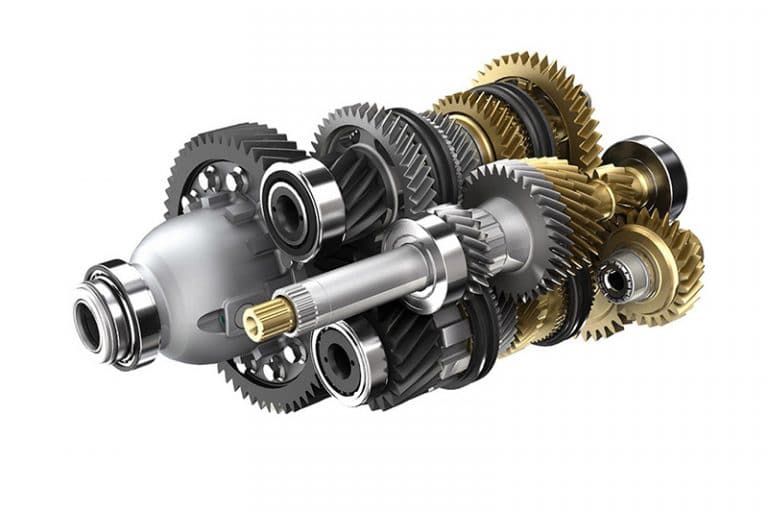
Before we get into repairs, it helps to understand what we’re actually talking about. The drivetrain is the collection of parts that takes the power your engine creates and delivers it to the wheels. Without it, your engine would just spin uselessly. The system typically includes the transmission, driveshaft (in rear-wheel and all-wheel drive vehicles), differential, axles, and various joints and bearings that connect everything together.
The transmission is really the brain of this operation. It’s responsible for changing gear ratios so your engine can operate efficiently whether you’re pulling away from a stoplight, cruising down I-25, or climbing one of our Colorado hills. Think of it like the gears on a bicycle, you need different ratios for different situations.
Key Drivetrain Components
Here’s a quick breakdown of the major players:
- Transmission: Converts engine power into usable torque and speed for your wheels. This is where gear changes happen.
- Driveshaft: A rotating tube that carries power from the transmission to the differential in rear-wheel and all-wheel drive setups.
- Differential(s): These split power between the left and right wheels and let them turn at different speeds when you’re going around corners.
- Axles and CV joints/U-joints: These connect the differential to your wheels and allow for suspension movement while still getting power where it needs to go.
In Honda and Acura vehicles, these components are generally well-engineered and reliable. But they’re not immune to wear, especially as miles add up or if maintenance gets skipped.
How the Transmission Works
Your transmission uses sets of gears and clutches (or bands in automatics) to multiply or reduce engine torque. This gives you different “gears” for various driving situations, low gears for getting moving, higher gears for efficient highway cruising.
In an automatic transmission, hydraulic pressure, solenoids, and a torque converter handle gear changes without any input from you. A manual transmission relies on you to operate the clutch pedal and move the gear selector. Modern automatics in Honda and Acura vehicles use sophisticated valve bodies and electronic controls, which is why accurate diagnosis matters so much before starting any repair work. Guessing can get expensive fast.
Common Signs You Need Drivetrain or Transmission Repair
Your car usually gives you warning signs before a small problem becomes a big one. The trick is knowing what to look for. Here are the symptoms we see most often when something’s going on with the drivetrain or transmission:
Shifting issues: Slipping between gears, harsh or jerky shifts, delayed engagement when you put it in Drive or Reverse, or erratic shifting patterns. If your transmission feels like it can’t make up its mind, something’s wrong.
Unusual noises: Grinding, whining, clunking, or humming sounds that change with your speed or when you shift gears. CV axles often make a clicking or knocking sound when turning, especially during acceleration.
Vibrations: A vibration that comes and goes depending on your speed or what gear you’re in can point to driveshaft, axle, or differential issues.
Fluid leaks: Transmission fluid is typically red or reddish-brown. If you’re seeing spots under your car, especially toward the center or front, it’s worth getting checked. Differential fluid can leak too, usually showing up further back.
Burnt smell: If your transmission fluid smells burnt, that’s a sign it’s been overheated or is breaking down. Fresh ATF should have a slightly sweet smell.
Difficulty engaging gears: In a manual, this might feel like the clutch isn’t fully releasing or gears are hard to select. In an automatic, you might notice a long pause before the car responds when you shift.
If you’re experiencing any of these in your Honda Civic, CR-V, Accord, or Acura MDX, TLX, or RDX, don’t ignore it. Catching transmission problems early can save you a significant amount of money compared to waiting until something fails completely.
What a Complete Drivetrain Inspection Covers
When you bring your vehicle to us for drivetrain or transmission concerns, we don’t just hook it up to a scanner and call it a day. A proper inspection involves several steps:
Road test: We’ll drive your vehicle to reproduce whatever symptoms you’ve described. This lets us feel the shift quality, listen for noises, and check how the vehicle behaves in all gears and driving modes. Sometimes issues only show up under specific conditions, cold starts, highway speeds, or under load, so this step is essential.
Visual and physical inspection: We look at the transmission case, pan, driveshaft, CV axles, differential, motor and transmission mounts, and all related joints for signs of damage, leaks, or excessive play. Worn CV boots, for example, can let dirt and moisture in and cause the joint to fail.
Fluid check: We’ll check the transmission fluid level and condition. Dark, burnt-smelling, or contaminated fluid tells us a lot about what’s happening inside. We also check differential fluid if your symptoms point that direction.
Diagnostic scan: Modern Honda and Acura vehicles store trouble codes related to transmission operation. We’ll pull any codes and use that information alongside our physical findings to narrow down the problem.
Additional testing as needed: Depending on what we find, we might check line pressure, perform specific sensor tests, or inspect the valve body more closely.
The goal is to understand exactly what’s going on before recommending any repairs. That way, you’re not paying for guesswork.
Transmission Repair Services Explained
Transmission repair can mean a lot of different things depending on what’s actually wrong. Here’s a breakdown of the typical services involved:
Fluid and filter service: Sometimes called a transmission service, this involves draining the old fluid, replacing the filter (if equipped), and installing fresh fluid. It’s basic maintenance that can extend transmission life, and it’s also the first step when addressing minor shift quality issues.
Seal and gasket replacement: External leaks often come from worn seals or gaskets, the pan gasket, axle seals, or output shaft seal, for example. These can usually be replaced without removing the transmission from the vehicle.
Solenoid and sensor replacement: Modern transmissions rely on electronic solenoids to control shift timing and pressure. When these fail, you’ll notice shift problems. Sensors monitor speed, temperature, and pressure, and bad readings can cause all sorts of issues.
Mount replacement: Worn transmission mounts can cause vibration, clunking noises, and even affect shift quality. It’s a relatively straightforward repair that can make a big difference.
Valve body service: The valve body directs hydraulic fluid throughout the transmission. Problems here can cause erratic shifting, harsh engagement, or slipping. In some cases, the valve body can be serviced or replaced without a full transmission rebuild.
Rebuild or replacement: When internal components like clutch packs, bands, or gears are worn or damaged, more extensive work is needed. A rebuild involves disassembling the transmission, replacing worn parts, and reassembling it. Alternatively, a quality remanufactured transmission can be installed.
Automatic vs. Manual Transmission Repairs
Automatic and manual transmissions have different failure points and require different approaches.
Automatic transmissions are more complex, with hydraulic circuits, electronic controls, a torque converter, and multiple clutch packs working together. Repairs often require specialized knowledge and equipment. Common issues include torque converter shudder, solenoid failures, and worn clutch packs.
Manual transmissions are mechanically simpler but still have their own set of problems. The clutch assembly, disc, pressure plate, release bearing, and flywheel, wears over time and eventually needs replacement. You might notice slipping (engine revs but the car doesn’t accelerate proportionally), chatter during engagement, or difficulty getting into gear. Synchronizers inside the transmission can also wear, making shifts feel notchy or grinding.
Honda’s manual transmissions are generally robust, but clutch replacement is still a common service once you hit higher mileage.
Drivetrain Repair Services and What to Expect
Beyond the transmission itself, drivetrain and transmission repair in Parker covers several other components:
CV axles: These are common wear items, especially on front-wheel drive Honda and Acura vehicles. The rubber boots that protect the CV joints can crack and let grease escape, leading to joint failure. Symptoms include clicking when turning and vibration during acceleration. Typically, we replace the entire axle assembly rather than just the joint.
Driveshaft: On all-wheel drive and rear-wheel drive vehicles, the driveshaft can develop worn U-joints or center support bearings. This causes vibration, clunking, or squeaking. U-joints can sometimes be replaced individually: other times the whole shaft needs attention.
Differential service: The differential contains gear oil that needs periodic replacement. Worn gears or bearings inside the differential cause whining or howling noises that change with speed. Depending on severity, the differential may need internal repair or replacement.
Transfer case (AWD vehicles): If you have an all-wheel drive Acura or Honda, the transfer case distributes power between front and rear axles. It has its own fluid that needs servicing, and internal components can wear over time.
What to expect from us: When you bring your vehicle to Independent Auto Care for drivetrain work, we’ll explain what we found during inspection, provide a detailed estimate that separates parts and labor, and discuss your options. If a remanufactured component makes sense for your situation, we’ll let you know. We’ll also give you guidance on maintenance going forward, like fluid change intervals, to help prevent future problems.
We want you to understand what’s being done to your car and why. No surprises on the invoice.
When to Choose Repair vs. Replacement
This is one of the most common questions we get, and honestly, the answer depends on your specific situation. Here are the factors we consider:
Extent of damage: Minor issues, a leaking seal, a bad solenoid, a worn mount, are straightforward repairs. But if internal hard parts are damaged or the transmission has been running low on fluid for a while, the damage may be too extensive for a targeted fix.
Vehicle age and mileage: A 2018 Accord with 80,000 miles is in a very different situation than a 2008 CR-V with 200,000 miles. For newer vehicles with more life ahead, investing in a quality repair or remanufactured unit makes sense. For older vehicles, you have to weigh repair costs against the vehicle’s overall value and condition.
Cost comparison: Sometimes a full transmission rebuild costs nearly as much as installing a remanufactured unit, and the reman unit often comes with a better warranty. We’ll give you honest numbers so you can make an well-informed choice.
Availability of quality parts: For Honda and Acura vehicles, quality remanufactured transmissions are generally available and come with solid warranties. This can be a better option than a rebuild in some cases.
Your plans for the vehicle: If you’re planning to keep your car for another 100,000 miles, investing in a proper repair or replacement makes sense. If you’re thinking about selling or trading in soon, that changes the calculation.
We’re not going to push you toward the most expensive option. Our job is to give you the information you need to make the right choice for your situation.
Conclusion
Drivetrain and transmission issues can feel intimidating, but understanding what’s involved takes some of the mystery out of it. Whether you’re dealing with rough shifts, strange noises, or a fluid leak, the key is getting an accurate diagnosis before throwing parts at the problem.
At Independent Auto Care, we’ve been helping Honda and Acura owners in Parker and Castle Rock keep their vehicles running right for years. Our ASE-certified technicians know these vehicles well, and we take the time to explain what’s going on before we start any work.
If your Honda or Acura is showing signs of drivetrain or transmission trouble, give us a call or stop by our shop at 10314 South Dransfeldt Road in Parker. We’ll take a look, tell you what we find, and help you figure out the best path forward. No pressure, no unnecessary upsells, just honest advice and quality work.
Frequently Asked Questions
What does drivetrain and transmission repair include?
Drivetrain and transmission repair covers a range of services including fluid and filter changes, seal and gasket replacement, solenoid and sensor repairs, CV axle replacement, driveshaft service, differential maintenance, and full transmission rebuilds or replacements depending on the extent of damage.
What are common signs you need transmission repair?
Watch for rough or jerky shifts, slipping between gears, delayed engagement, grinding or whining noises, vibrations at certain speeds, burnt-smelling fluid, and transmission fluid leaks (typically red or reddish-brown). Addressing these symptoms early can prevent costly major repairs.
How much does a transmission repair cost on average?
Transmission repair costs vary widely based on the issue. Minor repairs like seal replacements may cost a few hundred dollars, while solenoid or valve body work runs higher. Full rebuilds or remanufactured transmission installations typically range from $2,500 to $5,000 or more depending on the vehicle.
Should I repair or replace my transmission?
The decision depends on damage extent, vehicle age and mileage, repair costs versus replacement costs, and your long-term plans. For newer vehicles with minor damage, targeted repairs make sense. Older high-mileage vehicles may benefit from a remanufactured unit with warranty coverage.
How often should transmission fluid be changed?
Most manufacturers recommend changing transmission fluid every 30,000 to 60,000 miles, though some modern vehicles have longer intervals. Regular fluid changes help maintain smooth shifting, prevent overheating, and extend transmission life—especially important for Honda and Acura vehicles.
What causes a CV axle to fail in front-wheel drive vehicles?
CV axles commonly fail when the protective rubber boots crack, allowing grease to escape and dirt or moisture to enter the joint. This causes accelerated wear, leading to clicking noises when turning and vibration during acceleration. Replacing the entire axle assembly is typically recommended.