
Parker summers don’t mess around. Once those temperatures start climbing, and they do, fast, your vehicle’s cooling system becomes the only thing standing between a pleasant drive and a breakdown on the side of Dransfeldt Road. At Independent Auto Care, we’ve been preparing Honda and Acura vehicles for Colorado summers since 2006, and we’ve seen firsthand what happens when drivers skip their seasonal prep work.
Here’s the thing: summer prep isn’t just about topping off fluids and calling it a day. It’s a comprehensive process that addresses everything from your radiator’s ability to shed heat to the electrical components that keep your A/C blowing cold. In this guide, we’ll walk you through exactly what our summer prep service includes, so you know precisely what you’re getting when you bring your vehicle to our Parker shop.
Why Summer Preparation Matters for Parker Homeowners
Living in Parker, Colorado means dealing with temperature swings that can wreak havoc on your vehicle. We’re not exaggerating when we say that fluctuating temperatures cause premature wear and tear on critical components, especially belts, hoses, and cooling system parts. One week you’re scraping frost off your windshield, the next you’re baking in 90-degree heat.
Your engine cooling system bears the brunt of this abuse. The radiator, water pump, thermostat, and all those rubber hoses connecting them have to work overtime during summer months. When coolant isn’t circulating properly or your system‘s compromised, engine temperatures spike. And an overheating engine? That’s not a minor inconvenience, it’s a potential catastrophe that can leave you stranded and facing expensive repairs.
We see it every year. Drivers who skip their summer prep service end up calling us from parking lots, their temperature gauges buried in the red zone. The water pump sends coolant from the radiator through your engine cooling system to absorb heat. If your water pump is failing, overheating is inevitable. But here’s the good news: most summer-related breakdowns are completely preventable with proper preparation.
Our ASE-certified technicians have over 65 years of combined experience working specifically on Honda and Acura vehicles. We know these systems inside and out, every quirk, every common failure point, every component that needs attention before the heat arrives. Summer prep at Independent Auto Care isn’t a quick once-over. It’s a thorough examination designed to catch problems before they leave you stranded.
Comprehensive HVAC System Inspection
Your vehicle’s HVAC system does double duty in summer, keeping the cabin comfortable while managing engine temperatures. During our summer prep service, we dig deep into both aspects of this system. We’re not just checking that the A/C blows cold: we’re making sure everything’s operating at peak efficiency.
Checking Refrigerant Levels and Connections
Low refrigerant is the most common reason air conditioning systems underperform. But simply topping it off without investigating why it’s low is a band-aid solution at best. Refrigerant doesn’t just evaporate, if levels are down, there’s usually a leak somewhere in the system.
We’ll measure your current refrigerant levels and, if they’re low, inspect all seals and connections for signs of leaking. This includes checking the compressor connections, condenser fittings, and evaporator seals. Small leaks often start at connection points where rubber meets metal, and Colorado’s temperature swings accelerate seal degradation.
If we find a leak, we’ll discuss your options. Sometimes it’s a simple O-ring replacement. Other times, a component needs attention. Either way, you’ll know exactly what’s happening before we proceed with any repairs.
Evaluating Electrical Components and Thermostat Calibration
Car electrical repair and maintenance is essential and goes far beyond just the obvious stuff. Your HVAC system relies on a network of sensors, relays, and controls that all need to communicate properly. A malfunctioning thermostat sensor, for instance, might prevent your compressor from engaging, or cause it to run constantly.
We test the blower motor at all speeds, verify the compressor clutch engages correctly, and check that temperature sensors are reading accurately. The thermostat gauges the temperature and triggers cooling responses when needed. If it fails or reads incorrectly, temps can spike and your engine will overheat.
We also verify that your climate control interface, whether it’s manual dials or a digital display, communicates properly with the system. Intermittent electrical issues are frustrating, and they’re much easier to diagnose in the shop than when you’re stuck in traffic on a 95-degree afternoon.
Air Filter Replacement and Ductwork Assessment
A clogged cabin air filter is one of those out-of-sight, out-of-mind components that dramatically affects your comfort. When airflow is restricted, your A/C has to work harder to push cool air into the cabin. That means more strain on the system and less effective cooling where you actually need it.
During summer prep, we pull the cabin air filter and assess its condition. If it’s dirty, and after a Parker winter, it almost certainly is, we’ll replace it. Fresh filters mean better airflow, cleaner air, and less stress on your blower motor.
But we don’t stop at the filter. We inspect the ductwork for any signs of damage, disconnection, or blockage. Rodents love to nest in duct systems during winter months, and debris can accumulate in surprising places. We’ve found everything from leaves to fast-food wrappers jammed in air pathways.
We also check the engine air filter while we’re at it. Your engine needs clean air to run efficiently, especially when working hard in summer heat. A restricted engine air filter reduces performance and fuel economy, neither of which you want when you’re driving through the mountains with the A/C cranked.
The goal here is unrestricted airflow throughout your vehicle’s systems. Clean filters and clear ducts mean your cooling systems operate at maximum efficiency, keeping both you and your engine comfortable.
Cleaning Condenser and Evaporator Coils
Here’s something most drivers don’t think about: your A/C condenser sits right behind the grille, catching every bug, leaf, and piece of road debris that comes your way. Over time, that buildup acts like insulation, preventing the condenser from releasing heat effectively. And a condenser that can’t release heat means an A/C system that can’t cool properly.
We carefully clean the condenser coils, removing accumulated debris without damaging the delicate fins. This isn’t a job for a garden hose and good intentions, condenser fins bend easily, and improper cleaning can actually make performance worse. Our technicians know the right techniques and pressure levels to restore airflow without causing damage.
The evaporator coil presents different challenges. Located inside your dashboard, it’s not easily accessible, but it’s critical for cooling performance. The evaporator is where refrigerant absorbs heat from cabin air, and dirty coils reduce this heat transfer significantly. We inspect the evaporator for debris and biological growth, yes, mold can grow on evaporator coils, which is one reason your A/C might smell musty when you first turn it on.
When necessary, we’ll treat the evaporator with antimicrobial solutions that eliminate odors and prevent future growth. Clean coils mean colder air and better air quality inside your vehicle. It’s one of those services that makes an immediate, noticeable difference in comfort.
Testing System Performance and Efficiency
Everything we’ve discussed so far leads to this: putting your vehicle through its paces to verify everything works together properly. Individual components might test fine in isolation, but it’s the system-level performance that matters when you’re counting on reliable cooling.
We start by measuring vent temperatures at various blower speeds and settings. There are specific temperature ranges your A/C should achieve, and falling short indicates problems somewhere in the system. We document these readings so you have baseline data for future reference.
Next, we monitor compressor cycling patterns. A compressor that cycles too frequently, or not frequently enough, suggests issues with refrigerant charge, electrical controls, or internal wear. Our diagnostic equipment lets us watch system pressures in real-time while the A/C operates, catching problems that might not show up during static testing.
For your engine cooling system, we perform similar comprehensive testing. Coolant is sent from the radiator to divert excess heat from your engine. It then returns to the radiator where it’s cooled by outside air and an engine fan as it makes its way through the radiator channels. We verify this cycle is working correctly by monitoring temperatures at multiple points.
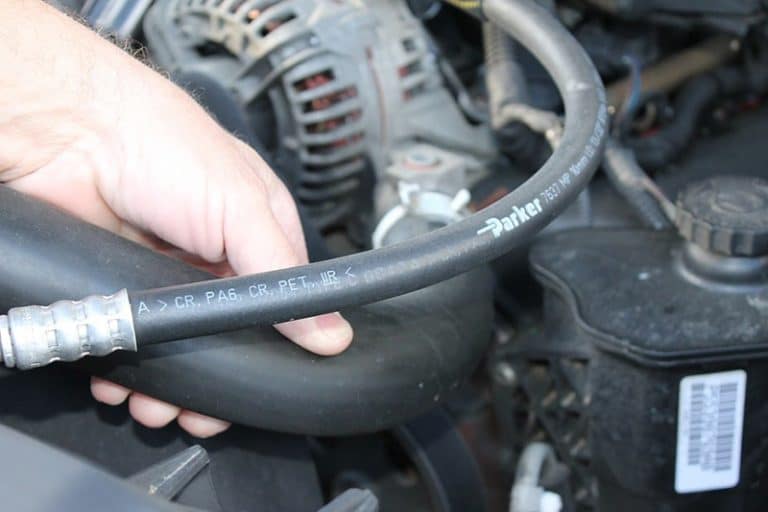
We physically check hoses, primarily the radiator hose, for bulging, swelling, cracking, and collapsed areas, as well as a glassy and hardened surface which could mean heat damage. Hoses can be the source of numerous problems. Because they’re made of flexible rubber, freeze and thaw cycles, as well as general exposure to pressurized fluids, can cause hoses to crack or spring a leak at their seals.
If needed, we’ll flush out and replace old coolant with fresh fluid, which can help reduce internal damage. We’ll also discuss with you any issues you might be experiencing, such as overheating or having to replace coolant more frequently than expected.
When to Schedule Your Summer Prep Service
Timing matters. Schedule your summer prep too early, and you might miss issues that develop during spring’s temperature swings. Wait too long, and you’ll be competing with everyone else who procrastinated, plus you risk breakdown before getting serviced.
We recommend scheduling your summer prep service in late April or early May. This gives us time to address any issues we find before the real heat arrives in June. It also means your vehicle will be ready for Memorial Day road trips and summer vacation driving.
That said, if you’re reading this in July and haven’t had your system checked, don’t wait until next year. Better late than skipping it entirely. We can still catch developing problems before they become roadside emergencies.
Certain warning signs should prompt immediate attention, regardless of timing:
- A/C that blows warm or takes a long time to cool
- Strange smells when you turn on the climate control
- Temperature gauge creeping higher than normal
- Visible coolant leaks under your vehicle
- Unusual noises from under the hood when A/C engages
If you’re experiencing any of these symptoms, don’t wait for your scheduled service, contact us right away. Early signs of water pump failure, for example, include whining noise from a loose pulley or a leak that will produce coolant puddles or spots under your Honda or Acura.
At Independent Auto Care, we’re conveniently located at 10314 South Dransfeldt Road in Parker. Give us a call or stop by the shop to schedule your summer prep service. We’ll get your vehicle ready for whatever Colorado summer throws at it.
Conclusion
Summer prep isn’t just another item on the maintenance checklist, it’s insurance against breakdowns, discomfort, and expensive emergency repairs. At Independent Auto Care, we’ve spent nearly two decades helping Parker drivers keep their Honda and Acura vehicles running reliably through Colorado’s demanding summers.
Our comprehensive summer prep service covers every critical system: refrigerant levels, electrical components, filters, coils, hoses, and complete performance testing. We catch the small problems before they become big ones, and we explain everything we find so you can make informed decisions about your vehicle.
Why go back to a dealer? Our ASE-certified technicians know Honda and Acura vehicles inside and out. We’ll diagnose any issue, provide you with a reasonable estimate, and perform all approved work quickly and properly. We’re locally owned and operated, dedicated to serving our neighbors here in Parker and beyond.
For summer prep service on your Honda or Acura vehicle, contact Independent Auto Care to schedule an appointment today. Your engine, and your comfort, will thank you.
