
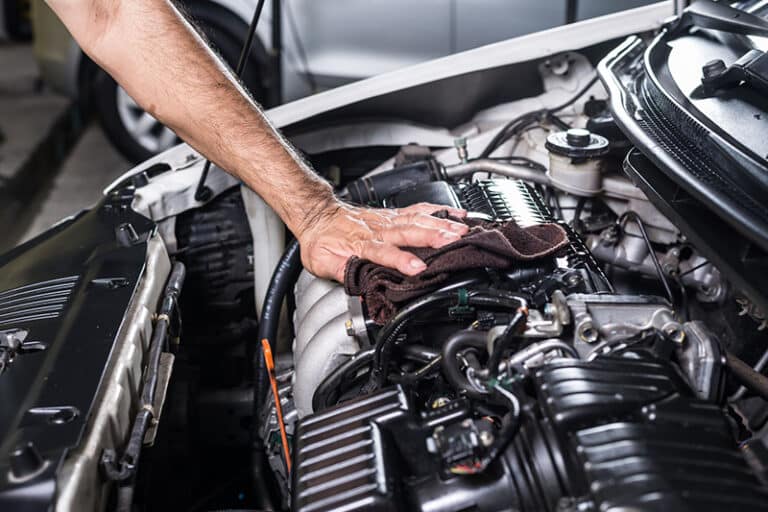
If you’re driving a Honda or Acura around Parker or Castle Rock and your engine starts acting up, you probably have questions. What exactly does “engine repair” involve? Is it a minor fix, or are we talking about something more serious? And how do you know when it’s time to bring your car in?
At Independent Auto Care, we work on engines every day. Our ASE-certified technicians specialize in Honda and Acura vehicles, so we’ve seen just about every engine issue that can pop up in these cars. We want to break down what engine repair in Parker actually includes, from the initial warning signs to the specific services involved, so you know what to expect before you bring your vehicle to the shop.
Key Takeaways
- Engine repair in Parker covers everything from minor fixes like spark plug replacements to major work such as head gasket repairs and engine overhauls.
- Watch for warning signs like a check engine light, unusual noises, rough idling, or overheating—catching these early saves money and prevents bigger problems.
- A proper engine diagnosis includes electronic scans, live data review, physical inspection, and specialized tests like compression checks.
- Repair timelines vary: minor issues may be fixed same-day, while major engine work can take a week or more depending on complexity.
- Choose an engine repair shop with ASE-certified technicians, advanced diagnostic equipment, clear written estimates, and strong local reviews.
- Regular maintenance like oil changes, coolant service, and timing belt replacements helps prevent costly engine repairs down the road.
Common Signs Your Engine Needs Repair
Your car usually gives you warning signs before a major engine problem develops. The trick is recognizing them early, before a small issue turns into an expensive repair.
Here are the most common indicators that your engine needs attention:
- Check engine light stays on – This one seems obvious, but many drivers ignore it or assume it’s a sensor glitch. It’s not something to dismiss. That light is your car’s way of telling you something is wrong.
- Knocking or tapping noises – These sounds often point to problems with internal components like bearings, pistons, or the valve train. Don’t turn up the radio and hope it goes away.
- Rough idling – If your engine shakes or vibrates at a stoplight, there’s likely an issue with the fuel system, ignition, or internal engine components.
- Loss of power – When your Honda or Acura doesn’t accelerate like it used to, or feels sluggish going uphill, that’s a sign something isn’t firing correctly.
- Decreased fuel economy – Suddenly filling up more often? Your engine may be working harder than it should due to a mechanical or sensor issue.
- Excessive exhaust smoke – Blue smoke typically means burning oil. White smoke can indicate a coolant leak into the combustion chamber. Black smoke suggests too much fuel is being burned.
- Hard starting – If your car struggles to turn over or takes multiple attempts to start, your fuel or ignition system may need work.
- Overheating – This is a big one. An overheating engine can cause serious damage quickly. If your temperature gauge climbs into the red, pull over and get help.
The good news is that catching these symptoms early usually means a simpler, less expensive repair. The longer you wait, the more likely a small problem becomes a major one.
Diagnostic Services and Initial Assessment
When you bring your vehicle in for engine repair in Parker, the first step is always diagnosis. We don’t guess at what’s wrong. Modern Honda and Acura vehicles have sophisticated onboard computers, and we use factory-level diagnostic tools to communicate with them.
Here’s what a typical diagnostic process looks like:
Electronic scan – We connect to your car’s computer and pull any stored trouble codes. These codes give us a starting point, telling us which systems or sensors flagged a problem. But codes alone don’t tell the whole story.
Live data review – Beyond the codes, we look at real-time data from your engine’s sensors. Things like oxygen sensor readings, fuel trim numbers, and coolant temperature can reveal problems that haven’t triggered a code yet.
Physical inspection – Our technicians open the hood and look at the engine with their own eyes. We check for obvious issues like oil leaks, damaged hoses, corroded connectors, or worn belts.
Test drive – Sometimes a problem only shows up under specific driving conditions. We’ll take your car out and replicate the issue when possible to better understand what’s happening.
Specialized tests – Depending on what we find, we may perform compression tests or leak-down tests. These measure the health of internal engine components and can identify issues like worn piston rings, damaged valves, or a blown head gasket.
Once we’ve gathered all this information, we can give you an accurate diagnosis and a clear estimate. No surprises. At Independent Auto Care, we believe you deserve to understand exactly what’s wrong and what it will cost before any work begins.
What Engine Repair Typically Covers
Engine repair is a broad term that covers everything from minor fixes to major internal work. The goal is always the same: restore your engine’s performance, reliability, and safety without necessarily replacing the whole thing.
Let’s break down the main categories.
Internal Engine Component Repairs
When people hear “engine repair,” they often picture the worst-case scenario. But internal engine work isn’t always catastrophic. Here’s what it can include:
- Head gasket replacement – A failed head gasket allows coolant and oil to mix, or lets combustion gases escape. This is a common repair on high-mileage vehicles.
- Valve repairs – Worn or damaged valves can cause misfires, loss of compression, and poor performance.
- Timing belt or chain replacement – These components keep your engine’s valves and pistons synchronized. If they fail, it can cause major internal damage, especially on interference engines like many Honda models.
- Piston and bearing work – Less common, but sometimes necessary on engines with significant wear or damage.
- Rebuilt or overhauled engines – In some cases, it makes more sense to rebuild or replace an engine rather than fix individual components. We can help you weigh the options.
Fuel and Ignition System Services
Many symptoms that feel like serious engine problems actually originate in the fuel or ignition system. These repairs are often more straightforward:
- Fuel pump replacement – A failing fuel pump can cause hard starting, stalling, or loss of power.
- Fuel injector cleaning or replacement – Dirty or clogged injectors affect fuel delivery and combustion efficiency.
- Fuel filter replacement – A restricted filter starves the engine of fuel.
- Spark plug and ignition coil replacement – Worn plugs or faulty coils cause misfires and rough running.
- Wiring and connector repairs – Corroded or damaged wiring can create intermittent problems that are hard to track down.
Addressing fuel and ignition issues restores proper combustion, improves starting, and often fixes misfires or poor fuel economy that might otherwise seem like deeper engine troubles.
Cooling and Lubrication System Work
Your engine depends on proper cooling and lubrication to survive. Neglecting these systems leads to overheating or oil starvation, both of which can destroy an engine quickly.
Cooling system repairs include:
- Radiator repair or replacement
- Water pump replacement
- Thermostat replacement
- Radiator hose service
- Cooling fan repair
- Radiator flushes and antifreeze replacement
Lubrication system work includes:
- Fixing oil leaks (valve cover gaskets, oil pan gaskets, seals)
- Oil filter replacement
- Oil pressure diagnosis
Correcting cooling and lubrication problems isn’t just about fixing today’s issue. It protects the engine from future damage and supports the longevity of any other repairs we’ve just completed.
How Long Does Engine Repair Take
This is one of the first questions we hear, and the honest answer is: it depends on what’s wrong.
Same-day repairs – Basic diagnostics and minor engine-related repairs can often be completed in a few hours. If your check engine light came on due to a faulty sensor, a worn spark plug, or a loose connection, you might be back on the road the same day.
Multi-day repairs – More involved work, like head gasket replacement, timing belt service, or fuel system repairs, typically takes one to three days. This allows time for proper diagnosis, sourcing quality parts, and doing the job right.
Major overhauls or replacements – If your engine needs a complete rebuild or replacement, expect the process to take a week or more. Parts availability, machine shop work, and the complexity of your specific vehicle all factor in. Some warranty approvals can add time as well.
We know being without your car is inconvenient. That’s why we give you realistic timelines upfront and keep you updated throughout the process. Rushing a job never leads to good outcomes, but we also don’t drag things out unnecessarily.
Choosing a Trusted Engine Repair Shop in Parker
Not all shops are created equal, especially when it comes to engine work. Here’s what to look for when choosing where to take your Honda or Acura.
ASE-certified or factory-trained technicians – Certifications matter. They show that the people working on your car have proven knowledge and keep their skills current. At Independent Auto Care, our technicians are ASE-certified and specialize in Honda and Acura vehicles.
Advanced diagnostic equipment – Modern engines require modern tools. Make sure the shop has factory-level scan tools and the capability to perform specialized tests like compression and leak-down checks.
Clear communication and written estimates – Before any work begins, you should receive a detailed estimate that explains what’s wrong and what it will cost. A good shop doesn’t surprise you with unexpected charges.
Warranties on parts and labor – Reputable shops stand behind their work. Ask about warranties before you authorize repairs.
Full-service capabilities – Engine problems often overlap with other systems. A shop that handles engines, cooling systems, fuel injection, and diagnostics under one roof can address the whole picture rather than just one piece.
Local reputation – Check reviews. Ask neighbors and friends. A shop with a strong local presence and happy customers is usually a safe bet.
We’ve been serving Parker and Castle Rock for years, building relationships with Honda and Acura owners who appreciate honest work at fair prices. There’s no pressure, no upselling. Just straightforward repairs done by people who know these vehicles inside and out.
Conclusion
Engine repair doesn’t have to be a mystery. Whether you’re dealing with a check engine light, strange noises, or performance issues, understanding what the repair process involves helps you make informed decisions.
The key is not to ignore warning signs. Catching problems early almost always means simpler, less expensive fixes. And regular maintenance, like oil changes, coolant service, and timing belt replacements at the recommended intervals, can prevent many major engine repairs in the first place.
If your Honda or Acura needs engine repair in Parker, we’d like to help. Independent Auto Care is located at 10314 South Dransfeldt Road, and our team is ready to diagnose your issue, explain your options, and get your vehicle running right again. Give us a call or stop by the shop to schedule an appointment. We’re here to answer your questions and take care of your car the way it deserves.
Frequently Asked Questions
What does engine repair in Parker typically include?
Engine repair in Parker covers a wide range of services, from minor fixes like spark plug and sensor replacements to major internal work such as head gasket replacement, timing belt service, valve repairs, and fuel system repairs. It also includes cooling and lubrication system work to restore performance and reliability.
How do I know when my Honda or Acura needs engine repair?
Common warning signs include a persistent check engine light, knocking or tapping noises, rough idling, loss of power, decreased fuel economy, excessive exhaust smoke, hard starting, and overheating. Catching these symptoms early usually means simpler, less expensive repairs.
How long does engine repair take to complete?
Repair timelines vary based on the issue. Basic diagnostics and minor fixes may be completed same-day, while head gasket replacement or timing belt service typically takes one to three days. Major engine overhauls or replacements can take a week or more depending on parts availability and complexity.
What is the diagnostic process for engine problems?
Professional engine diagnosis includes an electronic scan of trouble codes, live data review from engine sensors, physical inspection under the hood, a test drive to replicate issues, and specialized tests like compression or leak-down tests to assess internal engine health before providing an accurate estimate.
How much does engine repair cost on average?
Engine repair costs vary widely depending on the issue. Minor repairs like spark plug or sensor replacement may cost a few hundred dollars, while major work like head gasket replacement or timing belt service can range from $500 to $2,000 or more. Always request a detailed written estimate before authorizing repairs.
Can regular maintenance prevent major engine repairs?
Yes, regular maintenance significantly reduces the risk of major engine problems. Routine oil changes, coolant service, and replacing timing belts at recommended intervals help keep your engine running smoothly and can prevent costly repairs caused by overheating, oil starvation, or timing component failure.