If your check engine light just flicked on and you’re dreading the word “catalytic converter,” you’re not alone. It’s one of those repairs that sounds expensive and complicated, and honestly, it can be both if you don’t address it early. But here’s the thing: understanding what goes into an emissions and catalytic converter repair can take some of the mystery (and anxiety) out of the process.
At Independent Auto Care in Parker, we work on emissions systems and catalytic converters regularly, especially on Honda and Acura vehicles. We’ve seen everything from minor oxygen sensor issues to completely failed converters, and we know that most drivers just want straight answers about what’s wrong and what fixing it actually involves. That’s exactly what we’re going to cover here, how your emissions system works, what symptoms to watch for, and what happens when you bring your vehicle in for this type of repair.
Understanding Your Vehicle’s Emissions System
Your vehicle’s emissions system does more than just help you pass an emissions test, it’s designed to reduce the harmful pollutants that come out of your exhaust. The system includes several components working together: oxygen sensors, the exhaust manifold, the catalytic converter, and various other sensors that monitor what’s happening inside your engine.
The whole setup is connected to your vehicle’s onboard computer, which constantly adjusts the air-fuel mixture to keep everything running efficiently. When something goes wrong with any part of this system, you’ll typically see that dreaded check engine light illuminate on your dashboard.
How the Catalytic Converter Works
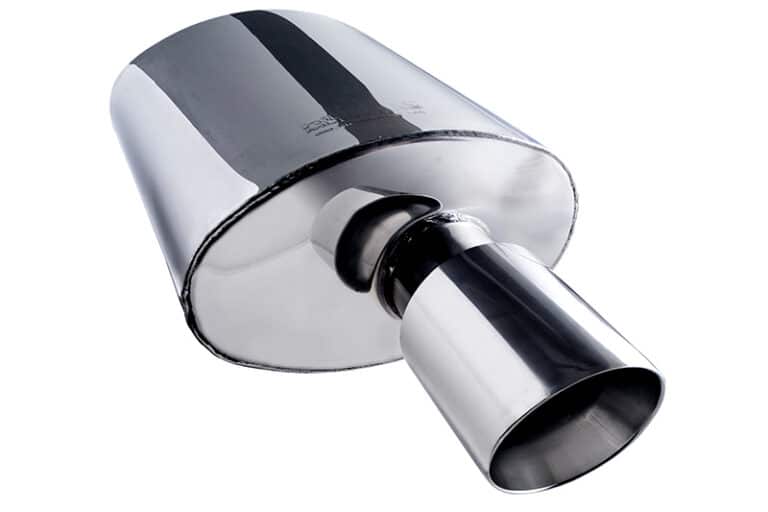
The catalytic converter is really the star of the emissions show. It’s a metal canister located in your exhaust system, usually somewhere between the engine and the muffler. Inside, there’s a honeycomb structure coated with precious metals like platinum, palladium, and rhodium.
Here’s what happens: as exhaust gases pass through, the catalytic converter triggers chemical reactions that convert harmful compounds into less harmful ones. Specifically, it transforms carbon monoxide into carbon dioxide, hydrocarbons into water and carbon dioxide, and nitrogen oxides back into nitrogen and oxygen. Pretty impressive for a part that most people never think about until it fails.
These converters typically last anywhere from 70,000 to 100,000 miles, sometimes longer with proper vehicle maintenance. But factors like engine misfires, oil burning, coolant leaks into the combustion chamber, or simply running rich for extended periods can shorten that lifespan considerably.
Signs Your Catalytic Converter Needs Repair
Catalytic converter problems don’t usually happen overnight. There are warning signs, and catching them early can save you from a more expensive repair down the road.
Check engine light: This is the most common indicator. Your vehicle’s computer monitors the efficiency of your catalytic converter using upstream and downstream oxygen sensors. When it detects the converter isn’t doing its job properly, it triggers a code, often P0420 or P0430.
Reduced engine performance: A failing or clogged catalytic converter can restrict exhaust flow, causing your engine to feel sluggish. You might notice hesitation when accelerating or a general lack of power, especially when going uphill or merging onto the highway.
Poor fuel economy: When your emissions system isn’t functioning correctly, your engine has to work harder to compensate. That extra effort translates directly into more trips to the gas station.
Sulfur or rotten egg smell: A healthy catalytic converter processes hydrogen sulfide (a byproduct of combustion) and converts it to sulfur dioxide, which is odorless. When the converter fails, you might notice a distinct rotten egg smell coming from your exhaust.
Rattling noises: The internal honeycomb structure can break apart over time, especially if the converter overheats. You’ll hear rattling or clanking sounds, particularly when starting the vehicle or during acceleration.
Failed emissions test: Here in Colorado, emissions testing is required for vehicles in the Denver metro area, including many Parker residents. A failing catalytic converter will almost certainly result in a failed test.
If you’re experiencing any of these symptoms, it’s worth getting your vehicle checked out sooner rather than later. What starts as a minor issue can quickly become a major, and expensive, problem.
What an Emissions and Catalytic Converter Repair Includes
So what actually happens when you bring your vehicle to us for emissions or catalytic converter work? Here’s a breakdown of the process from start to finish.
Diagnostic Testing and Inspection
We never just assume the catalytic converter is the problem, even if you come in with a P0420 code. That’s because other issues, like a bad oxygen sensor, exhaust leak, or engine misfire, can trigger the same codes and symptoms.
Our technicians start by connecting your vehicle to our diagnostic equipment to pull any stored trouble codes. But that’s just the beginning. We’ll also perform a visual inspection of the exhaust system, looking for obvious damage, rust, or leaks. We check the oxygen sensor readings to see if they’re within normal parameters. And in some cases, we’ll use a backpressure test to determine if the converter is actually clogged.
For Honda and Acura vehicles specifically, we know the common failure patterns and can often pinpoint issues faster because of our experience with these makes. This diagnostic phase is crucial, it prevents us from replacing parts unnecessarily and ensures we’re actually fixing the root cause of the problem.
Catalytic Converter Replacement Process
Once we’ve confirmed that the catalytic converter needs to be replaced, here’s what the repair involves:
Selecting the right converter: Not all catalytic converters are created equal. We use converters that meet or exceed OEM specifications and comply with EPA and Colorado regulations. For Honda and Acura vehicles, using the correct converter is especially important because these vehicles have precise emissions calibrations.
Removal of the old unit: The converter is typically bolted into the exhaust system, though some are welded in place. We’ll remove the old converter carefully, inspecting the surrounding components, like the exhaust manifold, gaskets, and hangers, for any additional wear or damage.
Installation: The new converter is installed with fresh gaskets and hardware. If any flanges or pipes are corroded, we’ll address those too. A proper installation means there are no exhaust leaks, which is important both for emissions compliance and for keeping harmful gases out of your vehicle’s cabin.
System verification: After installation, we clear any stored codes and perform a test drive to ensure everything is working correctly. We’ll also monitor the oxygen sensor data to confirm the new converter is functioning efficiently.
The entire process typically takes a few hours, though this can vary depending on the vehicle and whether additional repairs are needed.
Why Timely Emissions Repairs Matter in Parker
We get it, catalytic converter repairs aren’t cheap, and it’s tempting to put them off. But there are some real consequences to driving around with a failing emissions system, especially here in Colorado.
Legal requirements: Colorado’s emissions testing program means that if your catalytic converter isn’t working properly, you won’t be able to register your vehicle. This is a real headache for Parker residents who need their cars for daily commuting.
Potential engine damage: A clogged catalytic converter can cause excessive backpressure in your exhaust system. Over time, this puts extra strain on your engine and can lead to more serious, and expensive, problems. We’ve seen cases where ignoring a bad converter led to damaged valves or even engine failure.
Reduced fuel efficiency: With gas prices being what they are, driving around with compromised fuel economy adds up fast. Fixing the underlying issue typically pays for itself over time through better mileage.
Environmental impact: Colorado’s air quality, especially along the Front Range, is something we all share. A properly functioning emissions system does its part to keep our air cleaner.
Avoiding further component damage: When a catalytic converter fails, it can sometimes send debris downstream into your muffler or damage upstream oxygen sensors. Addressing the problem early helps prevent a cascade of additional repairs.
The bottom line? Getting your emissions system repaired promptly isn’t just about passing a test, it’s about protecting your vehicle, your wallet, and the environment.
Choosing a Qualified Repair Shop
Catalytic converter and emissions repairs require expertise, the right equipment, and access to quality parts. Not every shop is equipped to handle this work properly, so here’s what to look for:
Experience with your vehicle make: At Independent Auto Care, we specialize in Honda and Acura repair. This matters because these vehicles have specific emissions calibrations, and using the wrong converter or installing it incorrectly can result in ongoing check engine lights and failed emissions tests.
Proper diagnostic capabilities: A good shop won’t just throw parts at your car. We use professional-grade diagnostic tools to identify the actual problem before recommending any repairs. This saves you money and ensures the repair actually fixes the issue.
Quality parts: Cheap aftermarket catalytic converters might seem like a bargain, but they often don’t last and may not meet emissions standards. We use converters that are CARB-compliant and built to perform correctly for the long haul.
Transparent communication: You should understand what’s wrong with your vehicle and why a particular repair is recommended. We take the time to explain our findings and provide honest estimates before any work begins.
Warranty on repairs: Reputable shops stand behind their work. Ask about warranty coverage on both parts and labor.
Here at Independent Auto Care in Parker, our ASE-certified technicians have been working on Honda and Acura vehicles for years. We know these cars inside and out, and we provide the same quality of work you’d expect from a dealership, without the dealership pricing.
If you’re dealing with a check engine light, failed emissions test, or any of the symptoms we’ve discussed, we’re here to help. We’ll diagnose the problem accurately, explain your options clearly, and get you back on the road with confidence.
Conclusion
Emissions and catalytic converter repairs might not be the most exciting topic, but understanding what’s involved can make the whole experience less stressful. From initial diagnostics to final verification, there’s a clear process designed to identify the real problem and fix it right the first time.
If you’re in Parker and your Honda or Acura is showing signs of emissions trouble, don’t wait until you fail an emissions test or experience more serious performance issues. The sooner you address the problem, the less it’s likely to cost, and the faster you’ll be back to driving without that annoying check engine light staring at you.
We’re located at 10314 South Dransfeldt Road in Parker, and our team at Independent Auto Care is ready to take a look. Give us a call to schedule an appointment, and let’s get your vehicle’s emissions system back to working the way it should.