
If you’ve ever turned the key in your Honda or Acura and heard nothing but silence, you know that sinking feeling. Or maybe your headlights have been dimming lately, or there’s a dashboard warning light that won’t go away. These are the kinds of moments that remind us just how much we rely on our vehicle’s electrical system.
At Independent Auto Care in Parker, we see electrical issues all the time. And here’s what we’ve learned: electrical system repair goes way beyond just swapping out a battery. Your vehicle’s electrical system is a complex network that powers everything from your starter motor to your power windows. When something goes wrong, it can affect your car’s performance, safety, and reliability.
So what exactly does electrical system repair include? And how do you know when you need it? Let’s break it down so you know what to look for and what to expect when you bring your Honda or Acura to our shop on South Dransfeldt Road.
Key Takeaways
- Electrical system repair in Parker covers batteries, alternators, starters, wiring, and fuses—not just battery swaps.
- Warning signs like slow engine cranks, dim headlights, repeated dead batteries, and dashboard lights indicate electrical problems that need attention.
- Colorado’s cold winters put extra strain on your vehicle’s electrical system, often reducing battery capacity by up to 50%.
- Professional diagnostics use manufacturer-level scan tools to pinpoint the exact issue, saving you money by avoiding unnecessary part replacements.
- Replace your battery every 4–5 years and have it inspected during routine oil changes to prevent unexpected breakdowns.
- If you’re experiencing electrical issues with your Honda or Acura, get it checked early—small problems can quickly become expensive repairs.
Common Signs You Need Electrical System Repair
Your car is pretty good at telling you when something’s off. The trick is knowing what to listen for. Here are the warning signs that typically point to electrical system problems:
Slow or Struggling Engine Crank
When you turn the key (or press that start button) and the engine cranks slowly or hesitates before firing up, that’s usually your first clue. This often points to a weak battery, but it could also mean your starter is on its way out.
Dim or Flickering Lights
Notice your headlights dimming when you’re idling at a stoplight? Or maybe your interior lights flicker randomly? This is a classic sign that your alternator isn’t keeping up with demand, or there’s a wiring issue somewhere in the system.
Dead Battery (Again)
If you’ve jumped your car more than once in the past few months, something else is going on. A healthy battery shouldn’t die repeatedly. Either the battery itself is past its prime, or your alternator isn’t charging it properly.
Dashboard Warning Lights
That battery-shaped icon or the check engine light? Don’t ignore them. Modern Hondas and Acuras have sensors that detect electrical problems early. These warnings are your car’s way of asking for help before things get worse.
Electrical Accessories Acting Up
Power windows that move slower than usual, a radio that cuts out, or a rear defroster that stopped working. These might seem like minor annoyances, but they often indicate broader electrical issues.
Burning Smell or Visible Damage
This one’s more serious. If you smell something burning or notice melted plastic around wires, get to a shop right away. Electrical shorts can cause fires if left unchecked.
Colorado winters are especially tough on electrical systems. The cold puts extra strain on your battery and can expose weaknesses in older wiring. If your vehicle is acting up during those freezing Parker mornings, there’s a good chance the electrical system needs attention.
Key Components of an Electrical System Repair
When we talk about electrical system repair, we’re not just talking about one thing. Your vehicle has several interconnected components that all need to work together. Here’s what we typically inspect and service:
Battery and Charging System
The battery is the heart of your electrical system. It provides the initial power to start your engine and supports the electrical load when the alternator can’t keep up. But batteries don’t last forever.
If you’ve had your current battery for more than five years, it’s probably time for a replacement. This is especially true here in Colorado, where cold temperatures can reduce a battery’s capacity by as much as 50%. We test batteries to check their charge level, cranking amps, and overall condition. If the terminals are corroded or the connections are loose, we’ll clean and tighten those too.
We also check the charging system as a whole. A battery is only as good as the system that keeps it charged.
Alternator and Starter Motor
The alternator is what keeps your battery charged while the engine runs. It also powers your electrical accessories. When the alternator fails, your battery will drain quickly, and you’ll end up stranded.
Signs of alternator trouble include:
- Jump-starting works, but the car dies again shortly after
- Dim lights that brighten when you rev the engine
- A whining or grinding noise from under the hood
The starter motor is what actually turns your engine over when you start the car. It takes electricity from the battery and uses it to crank the engine. If a jump doesn’t get your car running, the starter is often the culprit. You might hear a clicking sound when you turn the key, or nothing at all.
We can test both components to determine whether repair or replacement is the best option for your situation.
Wiring and Fuse Inspection
This is where things can get tricky. Your vehicle has miles of wiring connecting everything from the engine control module to your tail lights. Over time, wires can become damaged, corroded, or disconnected.
We trace electrical circuits to find shorts, ground faults, and damaged connectors. Fuses are designed to blow when there’s an overload, protecting more expensive components from damage. If you’re constantly replacing the same fuse, there’s an underlying problem that needs to be addressed.
Relays are another common failure point. These small switches control high-current circuits like your fuel pump and cooling fans. A bad relay can cause all sorts of mysterious symptoms.
The Diagnostic Process Explained
Modern vehicles are essentially computers on wheels, and that’s especially true for Honda and Acura models. When you bring your car to us with an electrical concern, we don’t just start guessing. We follow a systematic diagnostic process to find the root cause.
Step 1: Listening to You
First, we want to hear what you’ve been experiencing. When does the problem happen? Is it every time, or just sometimes? Does it happen when it’s cold out? These details help us narrow things down before we even pop the hood.
Step 2: Visual Inspection
We’ll look at the obvious stuff first. Battery terminals, visible wiring, fuse boxes. Sometimes the problem is as simple as a corroded connection or a loose ground wire.
Step 3: Scanning for Codes
Using our diagnostic scan tools, we pull any error codes stored in your vehicle’s computer. These codes point us toward specific systems or sensors that have detected a problem. For Honda and Acura vehicles, we use equipment that can read manufacturer-specific codes, not just generic ones.
Step 4: Testing Components
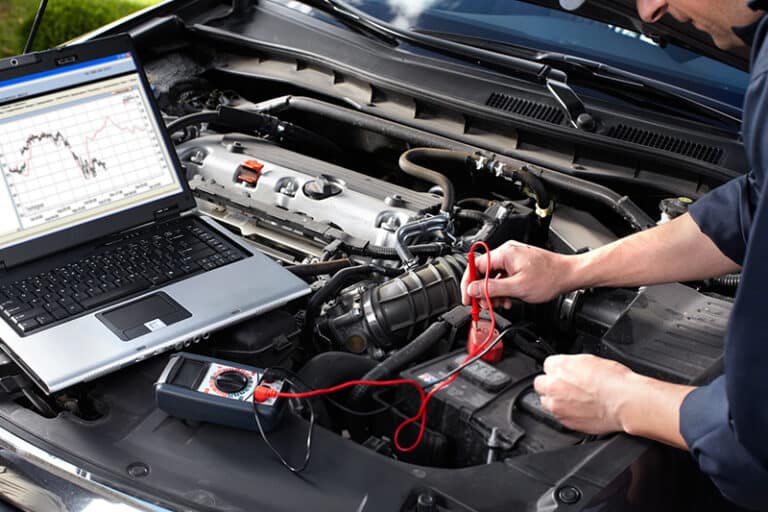
With a multimeter and other specialized tools, we test the battery’s voltage and cold cranking amps, check the alternator’s output, and verify that the starter is drawing the right amount of current. We also test individual circuits to find shorts or open connections.
Step 5: Pinpointing the Problem
Electrical issues can be sneaky. Sometimes a problem in one area causes symptoms in another. That’s why we take the time to trace things back to the actual source rather than just treating the symptoms.
This diagnostic approach saves you money in the long run. Instead of replacing parts that might not be the problem, we identify exactly what’s wrong and fix it right the first time.
What to Expect During Your Repair Appointment
We know bringing your car in for repairs can feel like a hassle. You’ve got places to be, and you’re probably wondering how long this is going to take and what it’s going to cost. Here’s what the process looks like when you visit Independent Auto Care for electrical system repair.
Scheduling and Drop-Off
Give us a call or stop by our shop at 10314 South Dransfeldt Road in Parker. We’ll set up a time that works for you. When you drop off your vehicle, we’ll ask about the symptoms you’ve noticed and get your contact information so we can reach you with updates.
Diagnosis Time
Electrical diagnostics can take anywhere from 30 minutes to a couple of hours, depending on the complexity of the issue. Intermittent problems tend to take longer to track down than consistent ones. We won’t rush this step because accurate diagnosis is the foundation of a good repair.
Communication
Once we know what’s going on, we’ll call you with our findings. We’ll explain what we found, what needs to be fixed, and give you a clear estimate before we do any work. No surprises.
The Repair
Simple repairs like battery replacement or fixing a loose connection can often be done the same day. More involved repairs like replacing an alternator or tracking down a wiring short might take a bit longer, especially if we need to order parts specific to your Honda or Acura.
Quality Check
Before you pick up your car, we verify that the repair solved the problem. We’ll clear any codes, test the system, and make sure everything is working as it should.
We work on Honda and Acura vehicles every day, so we know these cars inside and out. That familiarity means faster diagnostics and more reliable repairs.
How Often Should You Service Your Electrical System
Unlike oil changes or tire rotations, electrical system service doesn’t follow a strict schedule. There’s no “every 30,000 miles” rule for your alternator or wiring. But that doesn’t mean you should ignore it until something breaks.
Here’s a practical approach:
Battery Inspection: Every Oil Change
Whenever you’re in for routine maintenance, we can take a quick look at your battery. We’ll check the terminals for corrosion, verify the connections are tight, and test the voltage. This takes just a few minutes and can catch problems before they leave you stranded.
Battery Replacement: Every 4-5 Years
Most batteries last about four to five years under normal conditions. In Colorado’s climate, with our cold winters and hot summers, you might be on the shorter end of that range. If your battery is approaching that age, it’s worth having it tested even if you haven’t noticed any issues yet.
Full Electrical Check: When Symptoms Appear
If you’re experiencing any of the warning signs we mentioned earlier, don’t wait. Electrical problems tend to get worse over time, and a small issue can turn into a bigger one if ignored. A flickering light today could be a dead battery tomorrow.
After Major Repairs or Accidents
If your car has been in an accident or you’ve had major work done, it’s a good idea to have the electrical system checked. Wiring can be damaged in ways that aren’t immediately obvious.
The bottom line is this: pay attention to your car. If something feels off, trust your instincts and get it checked out. Early diagnosis almost always saves you money compared to waiting until something fails completely.
Benefits of Professional Electrical System Repair
You might be tempted to tackle electrical issues yourself, especially if it seems like a simple fix. And for some things, like cleaning battery terminals, that’s fine. But there are real advantages to having a professional handle electrical repairs.
Accurate Diagnosis
Electrical problems are notorious for being hard to pin down. Symptoms can be misleading, and guessing at the problem often leads to replacing parts that didn’t need to be replaced. Professional technicians have the tools and experience to find the actual issue, not just the apparent one.
Proper Tools and Equipment
Diagnosing modern vehicles requires more than a basic multimeter. We use manufacturer-level scan tools that can communicate with your Honda or Acura’s computer systems, read detailed sensor data, and run diagnostic tests that aren’t possible with consumer-grade equipment.
Quality Parts
When something needs to be replaced, we use quality parts that meet or exceed OEM specifications. A cheap alternator might save you money upfront, but if it fails in six months, you haven’t really saved anything.
Safety
Working on electrical systems involves risks. Shorts can cause sparks and fires. Airbag systems can deploy unexpectedly if mishandled. Professional technicians know how to work safely and protect both themselves and your vehicle.
Warranty Protection
If your vehicle is still under warranty or you have an extended service plan, DIY electrical work could void your coverage. Professional repairs typically come with their own warranty as well.
Time Savings
Honestly, your time has value. What might take you a whole weekend to troubleshoot could take an experienced technician an hour or two. And they’ll get it right.
Conclusion
Your vehicle’s electrical system is one of those things you don’t think about much until it stops working. But when it does fail, it can leave you stranded or cause frustrating problems that affect your daily drive.
Whether you’re dealing with a dead battery, dim headlights, a car that won’t start, or mysterious warning lights on your dashboard, electrical system repair in Parker doesn’t have to be a headache. At Independent Auto Care, we specialize in Honda and Acura vehicles, and we’ve been helping drivers in Parker and Castle Rock keep their cars running reliably for years.
If your car is giving you electrical trouble, don’t wait until you’re stuck in a parking lot somewhere. Give us a call or stop by our shop at 10314 South Dransfeldt Road. We’ll diagnose the problem, explain your options, and get you back on the road with confidence.
Frequently Asked Questions
What does electrical system repair include for Honda and Acura vehicles?
Electrical system repair includes battery and charging system service, alternator and starter motor inspection, wiring and fuse diagnostics, and relay testing. Technicians examine interconnected components to identify issues affecting performance, then repair or replace faulty parts to restore reliable operation.
How do I know if my car needs electrical system repair?
Common signs include slow engine cranking, dim or flickering headlights, repeated dead batteries, dashboard warning lights, malfunctioning power accessories, or burning smells near wiring. If you notice any of these symptoms, have your vehicle inspected promptly to prevent further damage.
How long does a car battery last in Colorado’s climate?
Most car batteries last four to five years under normal conditions. However, Colorado’s cold winters and hot summers can shorten this lifespan. Cold temperatures alone can reduce battery capacity by up to 50%, making regular testing especially important for Parker-area drivers.
Why does my car keep dying after a jump start?
If your car dies shortly after jump-starting, the alternator likely isn’t charging the battery properly. The alternator powers electrical accessories and recharges the battery while the engine runs. A failing alternator drains the battery quickly, leaving you stranded again.
Can a bad alternator damage my car battery?
Yes, a faulty alternator can damage your battery over time. If the alternator undercharges, the battery works harder and wears out faster. Overcharging can also cause battery damage. Having both components tested together ensures your charging system functions correctly.
How much does electrical system diagnosis typically cost?
Electrical diagnostic costs vary based on problem complexity, typically ranging from $50 to $150. Intermittent issues take longer to diagnose than consistent problems. Professional diagnosis saves money long-term by identifying the actual issue rather than guessing and replacing unnecessary parts.