
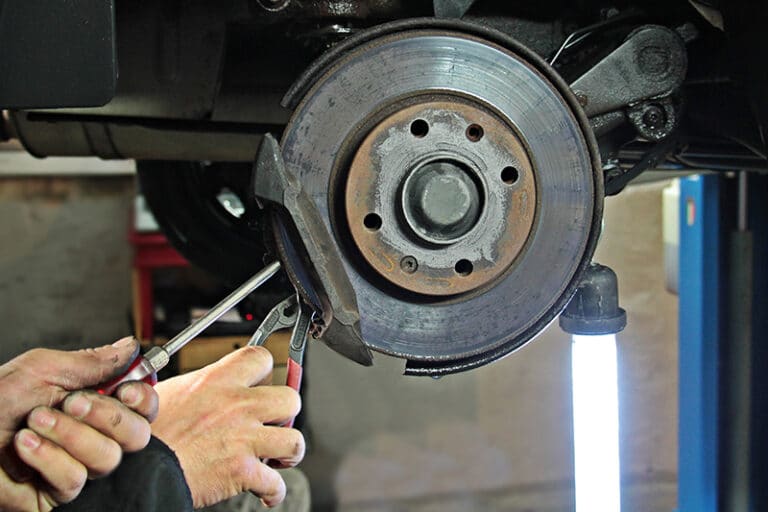
If your Honda or Acura has started squealing, pulling, or throwing a brake light, you’re right to ask what a proper brake repair should include. We’re Independent Auto Care in Parker, and we work on Honda and Acura vehicles all day, every day. Below we break down how we diagnose, service, and test brakes for drivers in Parker and Castle Rock so you know exactly what you’re getting when you book brake repair in Parker.
Key Takeaways
- Brake repair in Parker should include a full inspection with pad measurements, rotor runout checks, caliper/hose assessment, brake fluid testing, and ABS code scans.
- Quality service replaces or resurfaces rotors as needed, matches pad compounds to your driving (ceramic vs. semi‑metallic), and services caliper hardware for quiet, even braking.
- Expect clear, line‑item estimates with part types, labor time, fluid service, and written warranties so you approve only what you need.
- Typical Honda/Acura pricing in Parker runs about $300–$550 per axle for pads and rotors, with most jobs completed same day unless rust, seized parts, or ABS faults add time.
- Parker driving conditions—mountain descents, winter sand/corrosion, and stop‑and‑go on CO‑83/E‑470—make coated rotors, proper lubricants, and correct bedding‑in especially important.
- Extend brake life with quick checks each oil change, a brake fluid exchange every 2–3 years, and smart habits like downshifting on grades after your brake repair in Parker.
Signs Your Brakes Need Attention
Common Symptoms While Driving
If you notice any of these while driving around Parker or down to Castle Rock, it’s time to have us take a look:
- Squealing or grinding when you press the pedal
- Vibration in the pedal or steering wheel, especially coming off Crowfoot or Hess
- Car pulling to one side when braking
- Soft, spongy, or low brake pedal
- Burning smell after a long downhill or towing
- Increased stopping distance
Dashboard Warnings And Inspection Intervals
- Brake, ABS, or VSA lights on the dash are early warnings your system needs attention.
- We recommend a quick brake check at every oil change or about every 10,000 to 15,000 miles.
- If you hear metal-on-metal or feel a strong pulsation, don’t wait. That can turn a simple pad job into pads, rotors, and calipers.
What A Comprehensive Brake Repair Includes
When you schedule brake repair in Parker with Independent Auto Care, here’s how we approach it for your Honda or Acura.
Brake System Inspection And Diagnostics
We start with a full visual and measurement check:
- Pad thickness measured and photographed
- Rotor condition and runout checked for warping
- Caliper slide freedom, piston condition, and boot health
- Flexible hose condition and any fluid seepage
- Master cylinder fluid level and condition
- ABS fault codes scanned and documented
We use these findings to create a clear, line-item estimate so you can approve only what you need.
Pad And Rotor Service Or Replacement
- Pads: We match friction material to how you drive. For most Parker commuters, ceramic pads are quiet and clean. For mountain trips or towing, semi-metallic may make sense.
- Rotors: We measure thickness and look for scoring and hotspots. If rotors are below spec or warped, we replace them. On Hondas and Acuras, proper rotor condition is key to avoiding pedal pulsation.
Caliper Service And Hardware Replacement
- Clean and lubricate caliper slides and contact points with the right high-temp lubricant
- Replace abutment clips, shims, and pin boots as needed
- Inspect caliper pistons for sticking or uneven wear patterns. If a caliper is seized or dragging, we’ll recommend replacement to protect your new pads and rotors
Hydraulics: Lines, Hoses, Master Cylinder, And ABS
- Inspect steel lines for corrosion and flexible hoses for swelling or cracking
- Check master cylinder operation and leaks
- Scan ABS for stored codes and verify wheel speed sensor data when needed
Brake Fluid Exchange And Bleeding
- We test brake fluid for moisture content. If it’s high or fluid is dirty, we perform a full exchange
- Pressure or vacuum bleed to remove air for a firm, consistent pedal
Parking Brake Adjustment And Service
- Adjust Honda drum-in-hat or electronic parking brakes to spec
- Clean and service parking brake mechanisms so they hold properly
Final Road Test And Quality Check
- Bed in new pads and rotors to seat the friction surfaces
- Confirm straight stops, no noise, and proper ABS function
- Recheck torque on wheels and verify fluid level
Independent Auto Care documents the work and can provide photos and measurements so you leave confident in the repair.
Parts Options And Their Impact On Performance
Ceramic Vs Semi-Metallic Vs Low-Metallic Pads
- Ceramic: Quiet, low dust, gentle on rotors. Great for daily driving a Civic or RDX.
- Semi-metallic: Strong bite and heat handling. A good pick if you tow with a Pilot or MDX or spend time in the foothills.
- Low-metallic: Middle ground with decent performance, a bit more dust/noise than ceramic.
Rotor Types: Solid, Vented, Coated, And Drilled/Slotted
- Solid: Common on rear applications, budget-friendly
- Vented: Better cooling on front axles to reduce fade
- Coated: Added corrosion protection, helpful with winter road sand and moisture
- Drilled/Slotted: Performance look and heat management, but not necessary for most daily drivers
OEM Vs Aftermarket Considerations
- OEM Honda/Acura parts offer factory fit and predictable performance
- Quality aftermarket parts can save money and still deliver excellent results
- We’ll walk you through options and match parts to your goals: quiet commute, heavier use, or performance
Cost, Time, And What A Quote Should Include
Typical Price Ranges In Parker
Pricing can vary by model and part choice, but here’s a general idea per axle for Honda and Acura:
- Pads only: Usually not advised unless rotors are within spec and true
- Pads and rotors: Often in the $300 to $550 range per axle depending on parts
- Calipers or hydraulic repairs add cost, and ABS diagnostics may be separate
We’ll provide options and explain why each item is recommended.
Labor Time And Same-Day Expectations
- Many pad and rotor services take about 1.5 to 3 hours per axle
- With an early appointment, we can often finish same day
- Additional time may be needed for seized hardware, ABS faults, or rusted components
Warranty, Parts Quality, And Line-Item Transparency
A solid brake quote in Parker should list:
- Part brands and types, with pad compound and rotor style
- Labor time and any diagnostic fees
- Brake fluid service if needed
- Warranty terms on parts and labor
At Independent Auto Care, we spell out every line so you know exactly where your money goes.
Parker-Specific Driving Conditions That Affect Brakes
Mountain Grades, Heat Fade, And Towing
Weekend trips west can heat up brakes quickly. Long descents build rotor temperature and can cause fade. If you tow a small trailer with your Ridgeline or MDX, you’ll want pads and rotors that handle higher temps.
Cold Mornings, Road Sand, And Corrosion
Front Range winters mean cold starts, moisture, and road sand. We see slider pins dry out and rotors rust more quickly. Coated rotors and proper lubricant help your brakes stay quiet and consistent.
Stop-And-Go On CO-83 And E-470
Commuters between Parker and Castle Rock sit in traffic that wears fronts faster than rears. If you feel shaking at 60 to 70 mph on E-470, there may be rotor runout or pad transfer that needs attention.
How To Choose A Brake Shop In Parker
Certifications, Equipment, And Test Procedures
Look for ASE-certified technicians and up-to-date scan tools. For Hondas and Acuras, proper ABS diagnostics and service data matter.
Use Of Torque Specs, Lubricants, And Bedding-In
Correct torque on lug nuts, the right high-temp lubricants, and a proper bed-in drive prevent comebacks like pulsation and squeal.
Clear Communication And Digital Inspections
You should receive measurements, photos, and simple explanations. At Independent Auto Care, we build an estimate that’s easy to read and review by phone or text.
Preventive Care To Extend Brake Life
Safe Bedding, Habits, And Load Management
- After new brakes, follow our bed-in instructions to lay down an even transfer layer
- Leave space in traffic and avoid riding the brakes on long descents: downshift where appropriate
- Remove unnecessary cargo to reduce stopping loads
Scheduled Inspections And Fluid Intervals
- Quick checks at each oil change catch uneven wear early
- Brake fluid every 2 to 3 years helps protect ABS components and keeps the pedal firm
We can set reminders based on your driving between Parker and Castle Rock so maintenance fits your routine.
Conclusion
Brake repair in Parker should be thorough, measured, and matched to how you drive. That means a detailed inspection, the right pads and rotors, proper fluid service, and a solid road test. It’s what we do every day at Independent Auto Care.
If you own a Honda or Acura in Parker or Castle Rock and you’re hearing noise, feeling a pulse, or seeing a brake light, we’re here to help. Stop by Independent Auto Care at 10314 South Dransfeldt Road in Parker or give us a call to schedule. We’ll diagnose the concern, explain your options, and get you back on the road with brakes you can trust.
Ready to get started? Contact Independent Auto Care today for clear answers, fair options, and expert brake repair in Parker.
Brake Repair in Parker: FAQs
What does a comprehensive brake repair in Parker include for Honda and Acura vehicles?
A proper brake repair in Parker includes full inspection and measurements, pad and rotor service or replacement, caliper service and hardware, hydraulic checks, brake fluid exchange and bleeding, parking brake adjustment, and a final road test with bedding-in. You’ll receive photos, measurements, and a clear line-item estimate.
How much does brake repair in Parker cost and how long does it take?
For most Honda/Acura models, pads and rotors typically run $300–$550 per axle, with more for calipers or hydraulic work. Many services take 1.5–3 hours per axle, often same-day with an early appointment. Quotes should list parts, labor time, any diagnostics, fluid service, and warranty terms.
Which brake pads are best for Parker driving and occasional mountain trips?
For daily commuting, ceramic pads are quiet, low dust, and gentle on rotors. If you tow, drive in the foothills, or face long descents, semi‑metallic pads offer stronger bite and heat handling. Low‑metallic pads are a balanced option with moderate dust and noise. We match pad compound to your driving.
How often should I get my Honda/Acura brakes checked or brake fluid changed?
Have brakes checked at each oil change or every 10,000–15,000 miles, and sooner if you notice squealing, vibration, pulling, or longer stops. Brake fluid should typically be exchanged every 2–3 years to control moisture, protect ABS components, and maintain a firm pedal, especially with Front Range temperature swings.
Is it safe to drive with the ABS or brake warning light on?
It’s best to schedule brake repair in Parker promptly. A brake warning can indicate low fluid or hydraulic issues that affect stopping. An ABS light means anti-lock assistance may be disabled, increasing skidding risk on slick roads. Driving short distances to a shop is usually okay, but avoid hard stops.
How long do brake pads typically last in Parker traffic and foothill driving?
Most pads last 25,000–60,000 miles, but stop‑and‑go on CO‑83/E‑470, long downhill grades, towing, and heavy loads shorten life—front pads usually wear faster. Choosing the right pad compound, bedding them properly, avoiding riding the brakes on descents, and periodic inspections help maximize pad and rotor longevity.