
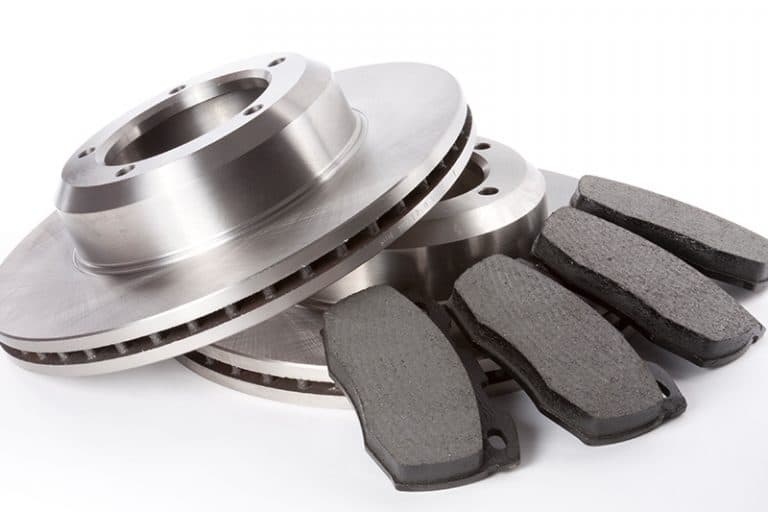
Your brakes are the most critical safety system in your vehicle, full stop. Whether you’re navigating the hills around Parker or cruising down South Parker Road, reliable stopping power isn’t optional. At Independent Auto Care, we’ve seen what happens when brake problems get ignored, and trust us, it’s never pretty. The good news? Most brake issues give you plenty of warning before they become dangerous. Knowing what to look for can save you money, prevent accidents, and keep your Honda or Acura running safely for years to come. Here are seven telltale signs that it’s time to schedule brake repair in Parker.
Why Brake Health Matters for Parker Drivers
Parker’s unique driving conditions put extra demands on your braking system. Between the elevation changes, winter weather, and stop-and-go traffic along main corridors, your brake pads, rotors, and fluid work harder than you might think.
Healthy brakes aren’t just about avoiding fender-benders. They’re about protecting your family and everyone else on the road. When brake components wear down, stopping distances increase dramatically, sometimes by 20% or more. That extra few feet can mean the difference between a close call and a collision.
We’ve been serving Parker drivers since 2006, and our ASE-certified technicians have seen every brake problem imaginable. One thing we’ve learned: early detection is everything. Catching worn pads before they damage your rotors can save hundreds of dollars. More importantly, it keeps you safe on Colorado’s unpredictable roads.
Squealing, Grinding, or Unusual Brake Noises
That high-pitched squeal when you hit the brakes? It’s not just annoying, it’s your car trying to tell you something. Most brake pads include a small metal indicator that creates that distinctive sound when the pad material wears thin. Think of it as a built-in warning system.
But here’s where it gets serious: if squealing turns to grinding, you’ve likely worn through the pads entirely. Now you’re metal-on-metal, meaning your rotors are being damaged with every stop. What could have been a simple pad replacement now becomes a more expensive rotor resurfacing or replacement job.
Other sounds to watch for include:
- Clicking or rattling when braking, which may indicate loose hardware
- Thumping that suggests warped rotors
- Hissing that could point to brake fluid or vacuum system issues
If you hear any unusual brake noises, don’t crank up the radio and ignore them. Bring your vehicle to our shop on South Dransfeldt Road so we can diagnose the issue before it escalates.
Vibration or Pulsing When You Press the Brake Pedal
A vibrating brake pedal feels unsettling, and for good reason. This pulsing sensation typically indicates warped brake rotors, the metal discs your brake pads clamp down on to slow your vehicle.
Rotors warp from excessive heat, often caused by aggressive braking, towing heavy loads, or driving down steep grades like some of the hills around Castle Rock and Monument. Colorado’s mountain roads can be tough on brakes, and Parker-area drivers who venture into the high country regularly should be especially vigilant.
Sometimes the vibration comes through the steering wheel instead of (or plus to) the brake pedal. This usually means the front rotors are affected. If you feel it mainly in the seat or body of the car, the rear brakes are likely the culprit.
Minor warping can sometimes be corrected by resurfacing the rotors, but severely damaged ones need replacement. Either way, ignoring warped rotors compromises your braking efficiency and can lead to uneven pad wear.
Soft or Spongy Brake Pedal Feel
When your brake pedal feels mushy or sinks closer to the floor than usual, something’s wrong with your hydraulic system. This is one brake symptom you should never ignore.
The most common causes include:
- Air in the brake lines – Air compresses, unlike brake fluid, creating that spongy feel
- Low brake fluid – Check under the hood: if the reservoir is low, there may be a leak somewhere
- Worn master cylinder – This component generates the hydraulic pressure that makes your brakes work
- Brake fluid degradation – Over time, brake fluid absorbs moisture and loses effectiveness
A soft pedal means reduced stopping power. In emergency situations, you need firm, responsive brakes. If your pedal feels different than normal, whether softer, lower, or requiring more pressure, schedule brake service immediately.
At Independent Auto Care, we’ll bleed the lines, check for leaks, inspect the master cylinder, and test your brake fluid’s condition. We work on all brake systems including drum, disc, and ABS configurations.
Vehicle Pulling to One Side During Braking
Does your car drift left or right when you apply the brakes? This pulling indicates uneven braking force between the two sides of your vehicle, a problem that affects both safety and tire wear.
Several issues can cause brake pull:
- Stuck caliper – When a caliper doesn’t release properly, one side brakes harder than the other
- Uneven pad wear – Pads wearing faster on one side create imbalanced stopping power
- Collapsed brake hose – Internal deterioration can restrict fluid flow to one caliper
- Contaminated brake fluid – Debris in the lines can cause erratic caliper behavior
Now, pulling doesn’t always mean brake problems. Alignment issues and uneven tire pressure can cause similar symptoms. That’s why proper diagnosis matters. Our technicians will inspect your entire braking system and rule out other causes. We also offer alignment services if that turns out to be the issue.
Don’t assume pulling is just a minor annoyance. Uneven braking forces make your vehicle harder to control, especially in wet or icy conditions, exactly when you need predictable stopping most.
Warning Lights and Visual Signs of Brake Wear
Modern vehicles are pretty good at telling you when something’s wrong. Your dashboard brake warning light, usually a red or amber symbol, illuminates when the system detects a problem. This could be anything from low brake fluid to ABS malfunction to worn pads (if your vehicle has electronic pad sensors).
Never ignore a brake warning light. Even if your brakes seem to work fine, the light indicates the system has detected something outside normal parameters.
Beyond warning lights, visual inspection reveals a lot:
- Brake pads should have at least 1/4 inch of material visible through the wheel spokes
- Brake fluid in the reservoir should be clear or slightly yellow, not dark or murky
- Rotors should appear smooth without deep grooves or scoring
- Brake dust on your wheels is normal, but excessive or uneven dust can indicate a problem
Here’s a tip: next time you wash your car, take a moment to look at your brake components through the wheels. It’s a simple habit that can help you catch problems early. And if you notice anything concerning, bring it by our Parker shop for a professional evaluation.
When to Schedule Brake Service in Parker
So when should you actually bring your vehicle in? Here’s our straightforward advice:
Immediately if you experience:
- Grinding noises
- Brake warning light
- Soft or sinking pedal
- Significant pulling when braking
Soon (within a week) for:
- Squealing that persists
- Vibration when braking
- Any new or unusual brake behavior
During regular maintenance for:
- Brake inspections every 12,000-15,000 miles
- Brake fluid flush every 2-3 years
- Pad replacement typically every 25,000-70,000 miles depending on driving habits
At Independent Auto Care, we specialize in Honda and Acura vehicles, though we service other makes too. Our ASE-certified technicians have over 65 years of combined experience, and we’ve been your hometown auto mechanics since 2006. We’ll diagnose the problem, explain what’s needed, and give you an honest estimate before any work begins.
We’re conveniently located at 10314 South Dransfeldt Road in Parker. Give us a call or stop by, we’ll make sure your brakes are ready for whatever Colorado roads throw at them.
Conclusion
Your brakes communicate with you every time you drive. Squealing, grinding, vibrations, soft pedals, pulling, and warning lights are all signals that shouldn’t be ignored. Addressing brake problems early saves money and, more importantly, keeps you and your passengers safe.
If you’ve noticed any of these seven warning signs, contact Independent Auto Care in Parker today. We’re here to help keep your vehicle stopping safely, mile after mile.