
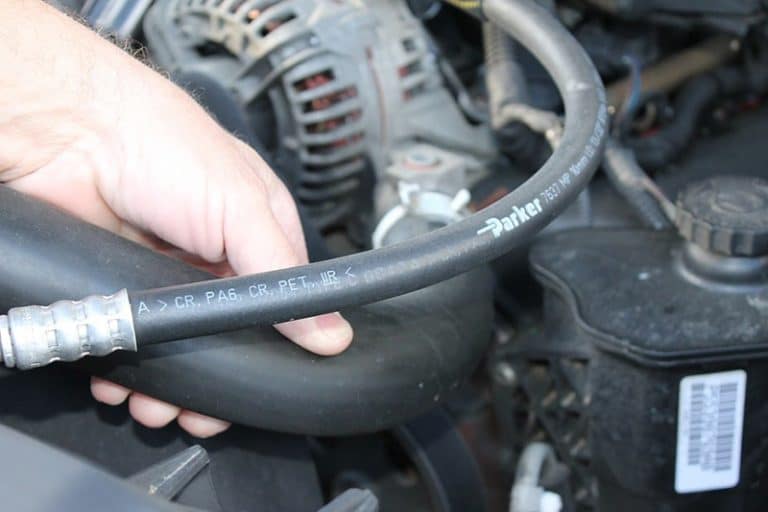
Your Honda or Acura has a lot of moving parts under the hood, and two of the most important (yet often overlooked) are the belts and hoses. These components work quietly in the background, keeping your engine running smoothly, your accessories powered, and your fluids flowing where they need to go.
But here’s the thing: living in Parker and Castle Rock means dealing with Colorado’s wild temperature swings. One day it’s 70 degrees, the next we’re scraping ice off our windshields. That constant freeze-thaw cycle is brutal on rubber components like belts and hoses. At Independent Auto Care in Parker, we see the effects of this climate on Honda and Acura vehicles all the time. Our certified technicians specialize in inspecting, diagnosing, and replacing worn belts and hoses before they leave you stranded on I-25 or stuck in a parking lot.
So what exactly does a belts and hoses repair include? Let’s break it down so you know what to expect when you bring your vehicle in for service.
Key Takeaways
- Belts and hoses are critical components that power your accessories, charge your battery, and circulate essential fluids throughout your Honda or Acura.
- Colorado’s extreme temperature swings accelerate wear on rubber components, making regular belt and hose inspections essential for Parker and Castle Rock drivers.
- Warning signs like squealing noises, visible cracks, coolant puddles, or engine overheating indicate it’s time for belt and hose replacement.
- Serpentine belts typically last 50,000–100,000 miles, while timing belts should be replaced every 60,000–100,000 miles to prevent costly engine damage.
- A professional belts and hoses repair includes visual inspection, tension testing, component replacement, and system testing to ensure everything functions properly.
- Proactive replacement of worn belts and hoses is far more affordable than repairing the engine damage caused by a sudden failure.
Why Belts and Hoses Are Critical to Your Vehicle
Think of belts and hoses as the circulatory system of your car. Without them, nothing works the way it should.
Belts are responsible for transferring power from your engine to various accessories. When your serpentine belt turns, it drives your alternator (which charges your battery), your power steering pump, your A/C compressor, and your water pump. If that belt snaps while you’re driving? You’ll lose all of those systems at once. Your steering gets heavy, your engine starts overheating, and your battery dies. Not a good time.
Hoses, on the other hand, are the pathways that move fluids throughout your vehicle. Coolant needs to travel from your radiator to your engine to prevent overheating. Fuel needs to reach your injectors. Vacuum lines help control emissions and power certain accessories. If a hose cracks, leaks, or bursts, you could be looking at anything from an overheated engine to a breakdown on the side of the road.
The real problem? Both belts and hoses are made of rubber compounds that degrade over time. Heat from your engine, exposure to oil and other fluids, and Colorado’s temperature extremes all accelerate this wear. A belt or hose that looks fine on the outside might be falling apart internally. That’s why regular inspections are so important, especially if you’ve got an older Honda Civic, Accord, or Acura SUV with some miles on it.
Common Types of Belts in Your Car
Not all belts are created equal. Your Honda or Acura likely has at least two types of belts that need attention, and they serve very different purposes.
Serpentine Belts
The serpentine belt is the long, winding belt you can usually see when you pop the hood. It’s called “serpentine” because it snakes around multiple pulleys at the front of your engine, connecting and powering several critical components at once:
- Alternator (keeps your battery charged)
- Power steering pump (makes steering easier)
- A/C compressor (runs your air conditioning)
- Water pump (circulates coolant through your engine)
When we inspect your serpentine belt at Independent Auto Care, we’re looking for specific signs of wear:
- Fraying or cracking along the edges
- Glazing (a shiny, hardened surface caused by heat damage)
- Missing or cracked “teeth” on the underside of the belt
- Splits that indicate the belt is about to fail
A worn serpentine belt often announces itself with a squealing or chirping noise, especially when you start your car or turn on the A/C. If you’re hearing that sound, it’s time to get it checked out.
Timing Belts
The timing belt is a different animal entirely. Unlike the serpentine belt, which you can see, the timing belt is hidden inside the engine, covered by a protective case. Its job is to synchronize the rotation of your crankshaft and camshaft, which controls when your engine’s valves open and close.
This is critical because if the timing belt breaks or slips, the pistons and valves can collide. In what’s called an “interference engine” (which many Honda and Acura vehicles have), this can cause catastrophic internal engine damage. We’re talking bent valves, damaged pistons, and repair bills that can run into the thousands.
Timing belt replacement is a bigger job than swapping out a serpentine belt. It requires removing engine covers and often involves replacing the water pump and tensioners at the same time (since you’re already in there). But it’s absolutely worth doing on schedule to avoid a much more expensive disaster down the road.
Essential Hoses and Their Functions
Your vehicle has multiple hoses running throughout the engine bay, each with a specific job. Here’s what we focus on when inspecting your Honda or Acura.
Radiator and Heater Hoses
Radiator hoses are the big ones. The upper radiator hose carries hot coolant from your engine to the radiator, where it gets cooled down. The lower radiator hose returns that cooled fluid back to the engine. If either of these fails, your engine can overheat in a matter of minutes.
Heater hoses work similarly but on a smaller scale. They carry hot coolant to your heater core, which is what provides warm air to your cabin in the winter. A leaking heater hose might not strand you immediately, but it will leave you shivering on cold Parker mornings and can still lead to coolant loss and overheating.
When we check radiator and heater hoses, we’re looking for:
- Bulging or swelling (a sign of internal breakdown)
- Soft, mushy spots when squeezed
- Visible cracks, especially near the clamps and connections
- A hard, glassy surface (indicating heat damage)
- Any signs of coolant leaks around the seals
Fuel and Vacuum Hoses
Fuel hoses deliver gasoline from your tank to your fuel injectors. These hoses are designed to handle the pressure and chemicals in modern fuel, but they can still deteriorate over time. A cracked fuel hose is a fire hazard, so we take these inspections seriously.
Vacuum hoses are smaller rubber lines that help manage various systems, including emissions controls, brake boosters, and some HVAC functions. A vacuum leak might not seem like a big deal, but it can cause rough idling, poor fuel economy, and even trigger your check engine light.
Because these hoses are often tucked away in hard-to-reach spots, they can be easy to overlook during a casual under-hood inspection. That’s why having a certified technician do a thorough check is so valuable.
Signs You Need Belt and Hose Replacement
How do you know when your belts and hoses are due for replacement? Here are the warning signs to watch for.
Belt Warning Signs:
- Squealing or chirping noises: This is the classic sign of a worn or loose belt. The sound is usually most noticeable when you first start your car or when you turn on the A/C.
- Visible cracks or fraying: If you pop the hood and see cracks running across the belt surface or frayed edges, it’s time for a replacement.
- Engine overheating: Since the serpentine belt drives the water pump, a failing belt can lead to cooling system problems.
- Dead battery or dimming headlights: The alternator depends on the belt. If the belt slips or breaks, your battery won’t charge properly.
- Heavy or stiff steering: Power steering relies on the belt too. Losing belt tension means losing power assist.
- A/C that doesn’t cool: The compressor needs the belt to run. No belt, no cold air.
Hose Warning Signs:
- Coolant puddles under your car: Green, orange, or pink fluid under your vehicle usually means a coolant leak.
- Low coolant levels: If you’re constantly adding coolant, something’s leaking. Hoses are a common culprit.
- Overheating engine: A burst hose will cause rapid coolant loss and engine overheating.
- Sweet smell from the engine bay: Coolant has a distinct sweet smell. If you’re noticing it, you might have a slow leak.
- Visible cracks, bulges, or soft spots: Any of these when you inspect your hoses means they’re on borrowed time.
The tricky part is that belts and hoses can fail suddenly without much warning. That’s why preventive inspections during regular maintenance are so important. Catching a problem early saves you from getting stuck on the side of Highway 83.
What to Expect During a Belt and Hose Repair Service
When you bring your Honda or Acura to Independent Auto Care for belts and hoses service, here’s what we do.
1. Visual Inspection
First, our technicians do a thorough visual check of all accessible belts and hoses. We’re looking at the serpentine belt for wear, checking hose connections for leaks, and feeling for soft spots or bulges in the rubber. For the timing belt, we’ll check your service records and mileage to determine if you’re due for replacement.
2. Tension and Condition Testing
Belts need proper tension to work correctly. Too loose and they slip: too tight and they wear out faster (along with the pulleys and bearings they run on). We check belt tension and look for signs of misalignment that could cause premature wear.
3. Removal and Replacement
If we find worn or damaged components, we’ll remove the old belts or hoses and install new ones. For serpentine belts, this is usually a straightforward job. Timing belts require more work since we need to access the inside of the engine.
When replacing timing belts, we typically recommend replacing the water pump, tensioner, and idler pulleys at the same time. These components have similar lifespans, and replacing them together saves labor costs compared to doing them separately.
4. System Testing
After installation, we start the engine and test everything. We’re listening for abnormal noises, checking for leaks, and making sure all systems powered by the belt are functioning properly. For hoses, we’ll run the engine up to operating temperature and verify there are no coolant leaks under pressure.
5. Final Review
Before you drive away, we’ll walk you through what we found and what we replaced. If there are other maintenance items coming due, we’ll let you know so you can plan ahead.
How Often Should Belts and Hoses Be Replaced
Replacement intervals vary depending on the type of component and your specific vehicle. Here are general guidelines for Honda and Acura vehicles:
Serpentine Belts:
Most serpentine belts last between 50,000 and 100,000 miles. But, Colorado’s temperature extremes can shorten that lifespan. We recommend having your belt inspected at every oil change and replacing it at the first signs of wear.
Timing Belts:
Timing belt replacement intervals are typically 60,000 to 100,000 miles, depending on your specific Honda or Acura model. Check your owner’s manual for the manufacturer’s recommendation. Don’t push this one. A broken timing belt can destroy your engine.
Radiator and Heater Hoses:
Hoses should be inspected every 30,000 miles. Most hoses last between 5 and 10 years, but again, our Colorado climate can accelerate wear. If your vehicle is getting up there in age, it’s worth having the hoses replaced proactively, even if they look okay from the outside.
Fuel and Vacuum Hoses:
These should be inspected regularly as part of routine maintenance. Replace them if you notice any cracks, hardening, or deterioration.
A word of advice: Don’t wait until something fails. The cost of replacing a belt or hose is relatively minor compared to the damage a failure can cause. A 0 timing belt replacement is a lot cheaper than a ,000 engine rebuild.
Conclusion
Belts and hoses might not be the most exciting parts of your Honda or Acura, but they’re absolutely essential for keeping your vehicle running reliably. And living here in Parker and Castle Rock, where temperatures can swing 40 degrees in a single day, these rubber components take a beating.
The good news? Regular inspections and timely replacements can prevent most belt and hose failures. It’s one of those maintenance items that’s easy to overlook until something goes wrong, and by then, you’re dealing with a tow truck and a much bigger repair bill.
At Independent Auto Care, located at 10314 South Dransfeldt Road in Parker, our certified technicians specialize in Honda and Acura vehicles. We know these cars inside and out, and we’ll make sure your belts and hoses are in good shape before they leave you stranded.
If it’s been a while since you had your belts and hoses checked, or if you’re noticing any of the warning signs we mentioned, give us a call or stop by the shop to schedule an appointment. We’ll take a look and let you know exactly where you stand. Your car will thank you for it.
Frequently Asked Questions
What does a belts and hoses repair include?
A belts and hoses repair includes a visual inspection of all accessible components, tension and condition testing, removal and replacement of worn parts, system testing after installation, and a final review. For timing belts, this often includes replacing the water pump, tensioner, and idler pulleys simultaneously.
How often should belts and hoses be replaced on a Honda or Acura?
Serpentine belts typically last 50,000 to 100,000 miles, while timing belts should be replaced every 60,000 to 100,000 miles depending on the model. Radiator and heater hoses should be inspected every 30,000 miles and usually last 5 to 10 years.
What are the warning signs of a failing serpentine belt?
Common warning signs include squealing or chirping noises when starting the car or turning on the A/C, visible cracks or fraying on the belt surface, engine overheating, dimming headlights, heavy steering, and an A/C system that doesn’t blow cold air.
Why is timing belt replacement so important?
The timing belt synchronizes your engine’s crankshaft and camshaft. If it breaks in an interference engine—common in many Honda and Acura vehicles—the pistons and valves can collide, causing catastrophic internal damage like bent valves and damaged pistons, often costing thousands to repair.
Can I drive with a coolant hose leak?
Driving with a leaking coolant hose is risky. Even a small leak can lead to rapid coolant loss and engine overheating, potentially causing severe engine damage. If you notice coolant puddles, a sweet smell from the engine bay, or rising temperatures, have your hoses inspected immediately.
How does Colorado’s climate affect belts and hoses?
Colorado’s extreme temperature swings—from hot days to freezing nights—accelerate the breakdown of rubber components. The constant freeze-thaw cycle causes belts and hoses to crack, harden, and deteriorate faster than in more stable climates, making regular inspections essential in Parker and Castle Rock.